Picture this: you walk into a lumber yard for the very first time, totally pumped to start building something. Then reality smacks you in the face. There are hundreds of wood types, confusing labels, and not a single helpful sign in sight. Sound familiar? Yeah, we’ve all been there. :/
Finding the best woods for beginner woodworking projects is genuinely one of the most important decisions you’ll make as a new woodworker. Pick the wrong one and you’ll spend your weekend fighting knots, warping, and splits instead of actually building something. Pick the right one and your project practically flows together — well, almost.
Here’s the truth nobody tells beginners: the best wood isn’t the prettiest or the most expensive one on the shelf. It’s the one that won’t make you throw your saw across the garage after the first hour.
By the end of this guide, you’ll know exactly which woods to reach for, which ones to avoid for now, and which first project to try with each. Let’s get into it.
In this guide, we will explore the best woods for beginner woodworking projects to help you make the right choice.
Why Choosing the Right Wood Matters for Beginners
You might think, “It’s just wood, how different can it be?” Oh, friend — very different. Choosing the best wood for beginner woodworking projects comes down to five real factors:
- Workability: Some woods cut clean and sand smooth with basic tools. Others chip, splinter, or eat through blades way faster than expected.
- Cost: Burning through expensive material while you’re still learning is painful. And expensive. Don’t do it to yourself.
- Availability: Not all woods sit on your local Home Depot shelf. Specialty woods require special trips or special budgets.
- Project outcome: The wrong wood warps, cracks, or refuses to hold screws. The right wood gives you clean results you’re actually proud of.
- Confidence: This one’s huge. A forgiving wood gives you early wins. Early wins keep you motivated. And motivation keeps you woodworking.
| PRO TIP: If you’re also just starting out with tools, check out our guide on the best tools for beginner woodworkers before buying your first board. Having the right tools makes every wood easier to work with. [→ Best Tools for Beginner Woodworkers] |
What Makes a Wood Beginner-Friendly?
Woods for Beginner Woodworking Projects: What Makes Them Ideal?
Before jumping into the list, let’s set a quick standard. Any wood worth recommending for beginners should tick all four of these boxes:
- Workability — Cuts, sands, and shapes without a fight using basic tools.
- Cost — Won’t blow your entire budget before your project is half done.
- Availability — Easily found at any local hardware store, not just specialty shops.
- Forgiveness — Hides small mistakes well enough that you can still finish with pride.
Keep these four criteria in mind as we run through the list. Any wood that scores high on all four is a genuine winner for a first project.
The Best Wood for Beginner Woodworking Projects — 7 Top Picks
Not all beginner-friendly woods are equal. Here are the 7 best, ranked by ease of use and versatility:
1. Pine — Most Popular Beginner Wood
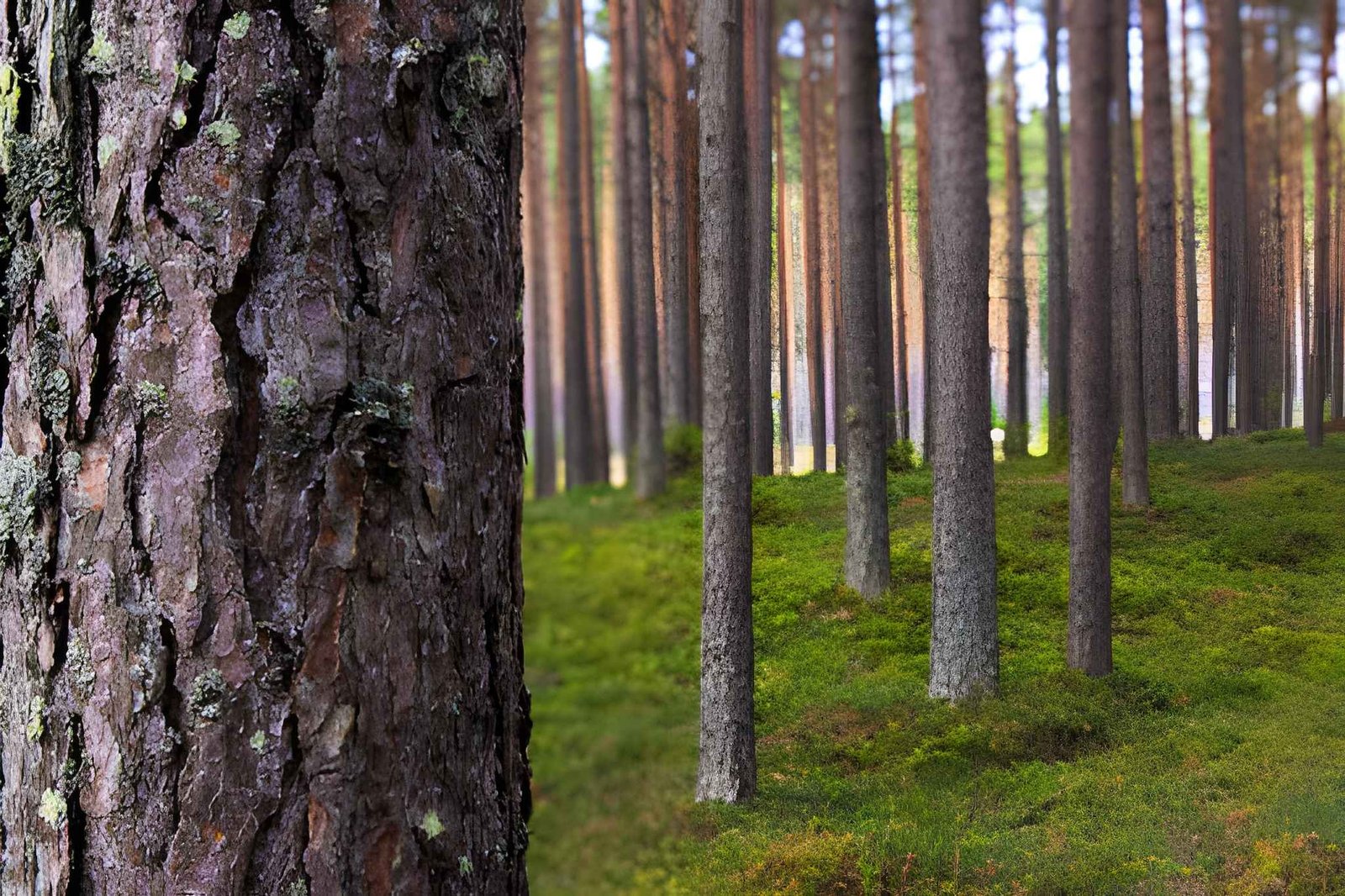
If there’s one wood that almost every beginner starts with, it’s pine. And honestly, for good reason. When it comes to the best wood for beginner woodworking projects, pine sits comfortably at the top of the list.
- Most affordable softwood you’ll find at any hardware store
- Easy to cut, nail, sand, and paint with basic tools
- Sold everywhere in dozens of sizes — no hunting required
- Great for shelves, boxes, frames, and small furniture builds
- Downsides: Prone to knots and dents fairly easily — keep that in mind for heavy-use pieces
Best first project: A floating wall shelf or simple storage box. You’ll be done in a weekend and feel like an absolute pro.
2. Poplar — Smooth & Beginner-Friendly
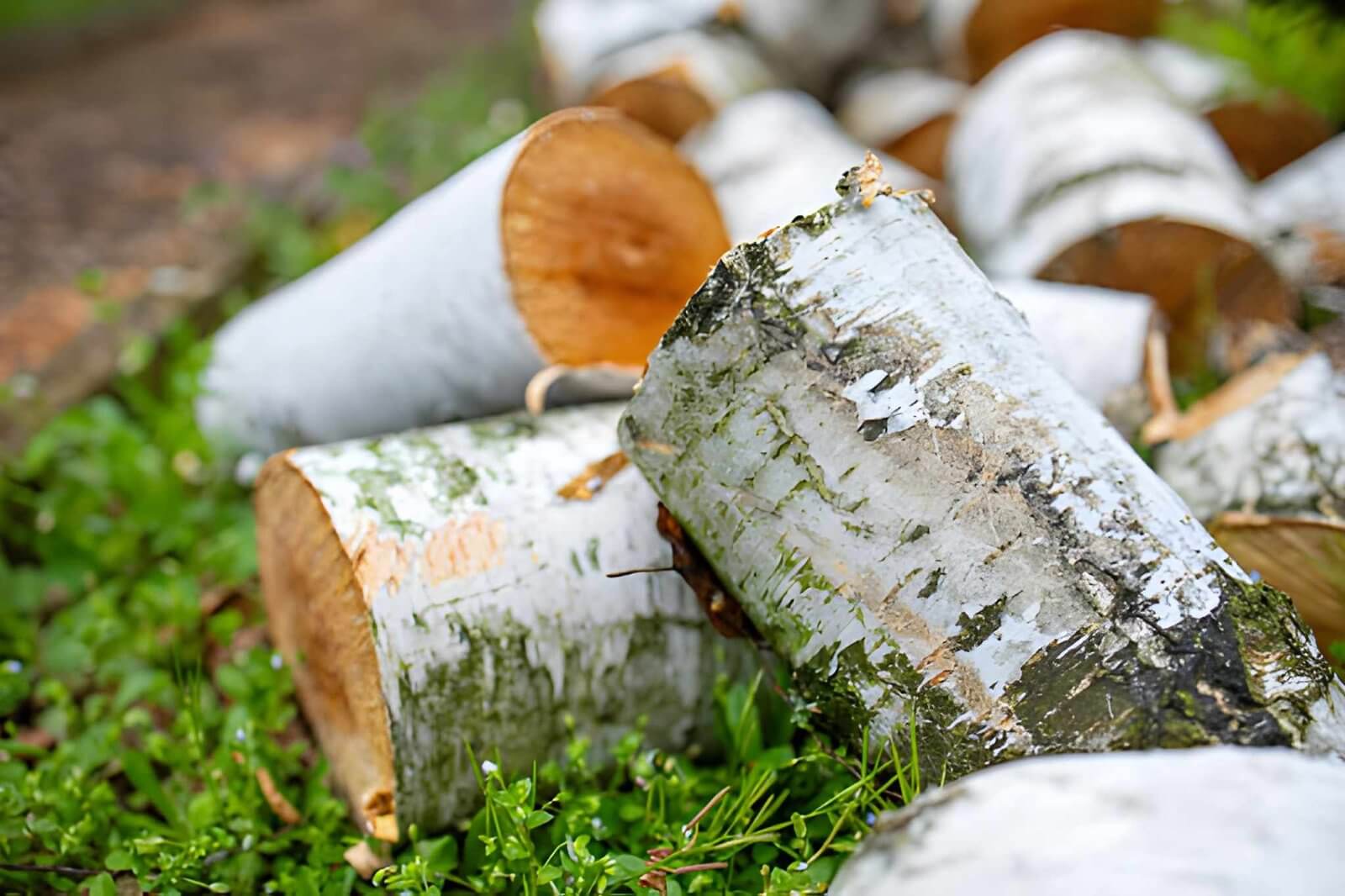
Want to step up just slightly from pine? Poplar is your answer. It’s technically a hardwood but behaves like a softwood in terms of workability — which is kind of the best of both worlds.
- Straight, predictable grain — no nasty surprises mid-cut
- Takes paint beautifully — better results than pine
- Slightly more durable indoors than most softwoods
- Perfect for painted indoor furniture
Best first project: A simple side table or painted cabinet. It’ll look store-bought, IMO.
3. Basswood — Perfect for Carving Beginners
If you’re into carving, whittling, or Dremel work, basswood is your new best friend. It’s incredibly soft and shapes by hand like firm butter. It’s also one of the top answers when beginners ask about the best wood for beginner woodworking projects that involve hand tools and detail work.
- Super soft and forgiving for detailed hand carving
- Ideal for Dremel projects, small crafts, and figurines
- Won’t fight back against beginner hands or light tools
- Not ideal for: Structural builds or furniture — too soft for load-bearing use
Best first project: A small carved ornament or decorative figurine.
| INTERNAL LINK: If carving is your thing, don’t miss our complete beginner’s guide to Dremel carving techniques — it pairs perfectly with basswood. [→ Beginner’s Guide to Dremel Carving] |
4. Plywood — Budget-Friendly & Stable
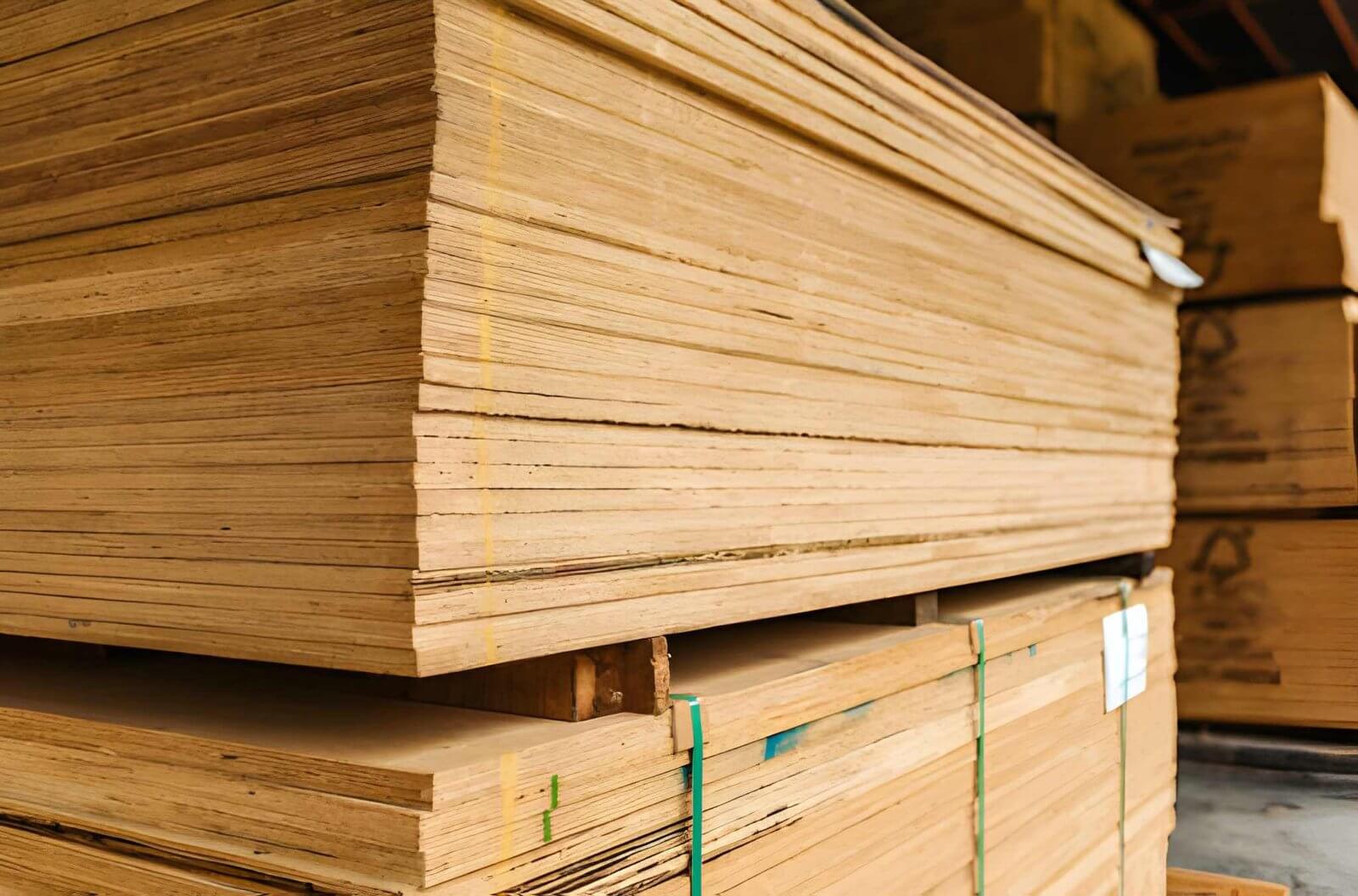
Don’t underestimate plywood. It’s not glamorous, but it’s one of the smartest choices for any larger build. For big projects, plywood might actually be the best wood for beginner woodworking projects — full stop.
- Engineered for stability — resists warping better than most solid woods
- Strong and surprisingly affordable per square foot
- Perfect for cabinets, shelving units, and storage builds
- Pro tip: Look for birch plywood — cleanest, smoothest surface for painting or finishing
Best first project: A simple storage cabinet or bookshelf. Big impact, low material cost.
5. Cedar — Best for Outdoor Beginner Projects
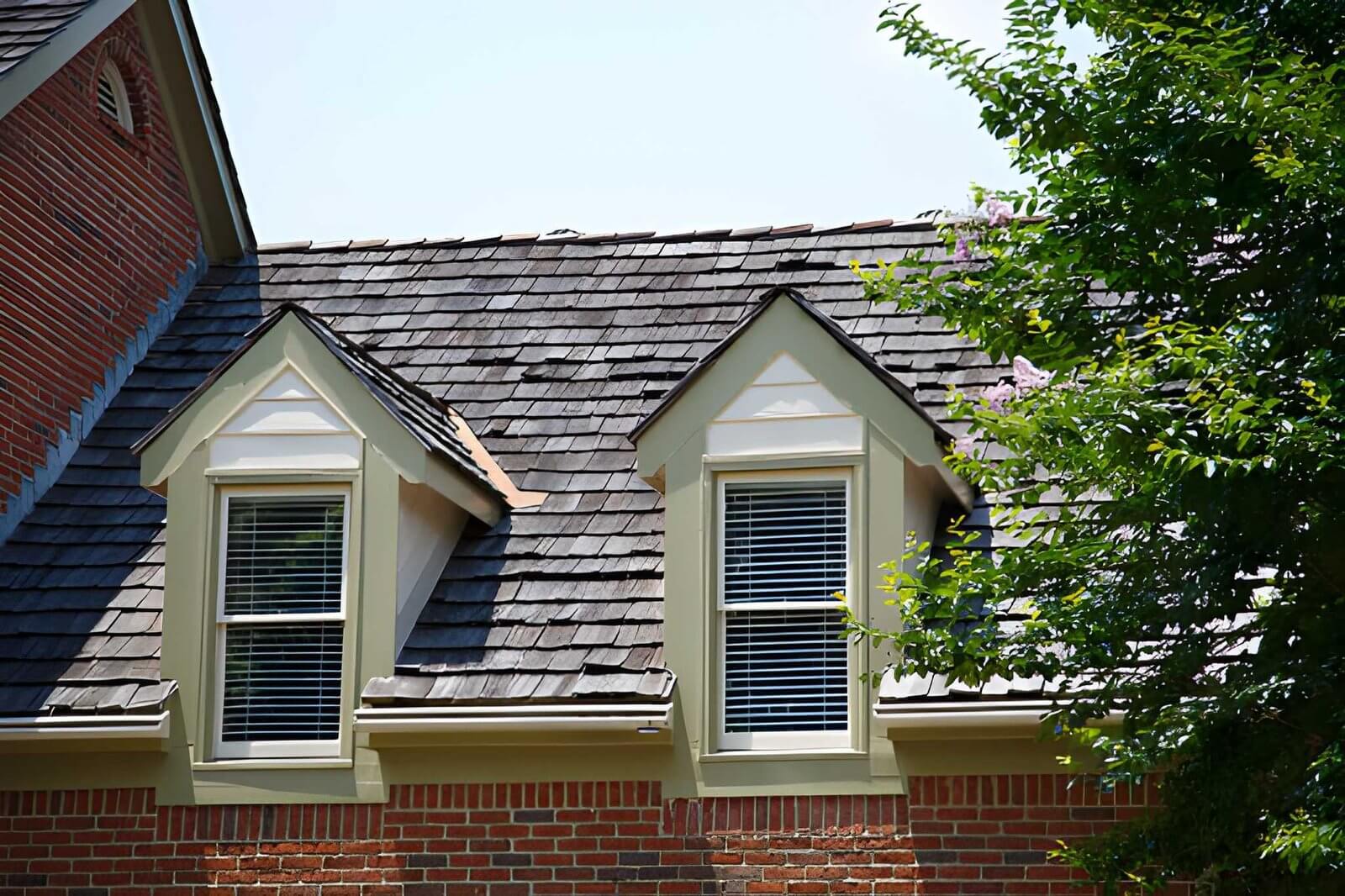
Building something for the garden or backyard? Skip pine and go straight to cedar. It’s naturally rot-resistant, which means it won’t turn into a soggy mess after the first rainy season.
- Naturally resistant to rot and moisture — built for outdoor use
- Lightweight and genuinely easy to cut and work with
- Smells incredible and looks naturally beautiful
- Slightly pricier than pine, but absolutely worth it outdoors
Best first project: A raised garden bed or planter box — a weekend project that transforms any outdoor space.
| INTERNAL LINK: Love outdoor builds? Check out our roundup of easy weekend woodworking projects you can finish in two days or less. [→ Easy Weekend Woodworking Projects] |
6. Douglas Fir — Strong & Structural
Douglas fir is the underrated hero of beginner woodworking. It’s strong, stays straight, and doesn’t warp easily — which makes it perfect when your project actually needs to hold something.
- Excellent strength-to-weight ratio for a softwood
- Resists warping and stays dimensionally stable over time
- Widely available and budget-friendly at most stores
- Best suited for structural builds, frames, and workbenches
Best first project: A sturdy workbench or garden gate. Functional AND satisfying.
7. MDF (Medium Density Fiberboard) — Smooth & Paintable
MDF is the secret weapon of painted woodworking projects. No grain, no knots, perfectly flat — it takes paint like an absolute dream. FYI, it’s also one of the cheapest options per square foot, which makes it one of the best choices for beginners on a budget.
- Perfectly flat and uniform — no grain surprises
- Takes paint cleaner and smoother than almost any natural wood
- Very affordable and easy to cut with basic tools
- Important: Keep it away from moisture — MDF swells and crumbles when wet. Indoor use only.
Best first project: A painted wall shelf or simple cabinet door — it’ll look factory-finished.
Quick Comparison Table
| Wood | Type | Cost | Difficulty | Best For |
| Pine | Softwood | $ | Easy | Shelves, boxes |
| Poplar | Hardwood | $$ | Easy | Painted furniture |
| Basswood | Softwood | $ | Easy | Carving, crafts |
| Plywood | Engineered | $ | Easy | Large flat builds |
| Cedar | Softwood | $$ | Easy | Outdoor projects |
| Douglas Fir | Softwood | $ | Easy | Structural builds |
| MDF | Engineered | $ | Easy | Painted projects |
Wood Types Beginners Should Avoid (For Now)
These woods are all great materials. They’re just not the best wood for beginner woodworking projects, and they’ll make your early experience more frustrating than it needs to be.
- Oak — Hard, heavy, and will dull your tools faster than expected. Save it for when you’re more comfortable.
- Maple — Dense and difficult to cut cleanly without sharp, quality tools. Beautiful wood, but not forgiving for newbies.
- Exotic hardwoods — Gorgeous? Yes. Beginner-friendly? Absolutely not. Expensive, hard to source, and they punish mistakes badly.
- Pressure-treated lumber — Contains chemicals that make it unsafe for indoor use or surfaces that touch food or skin. Handle with care.
- Heavily knotted or figured wood — Looks stunning but behaves unpredictably. Difficult to finish cleanly when you’re still building technique.
Softwood vs. Hardwood — A Simple Explanation for Beginners
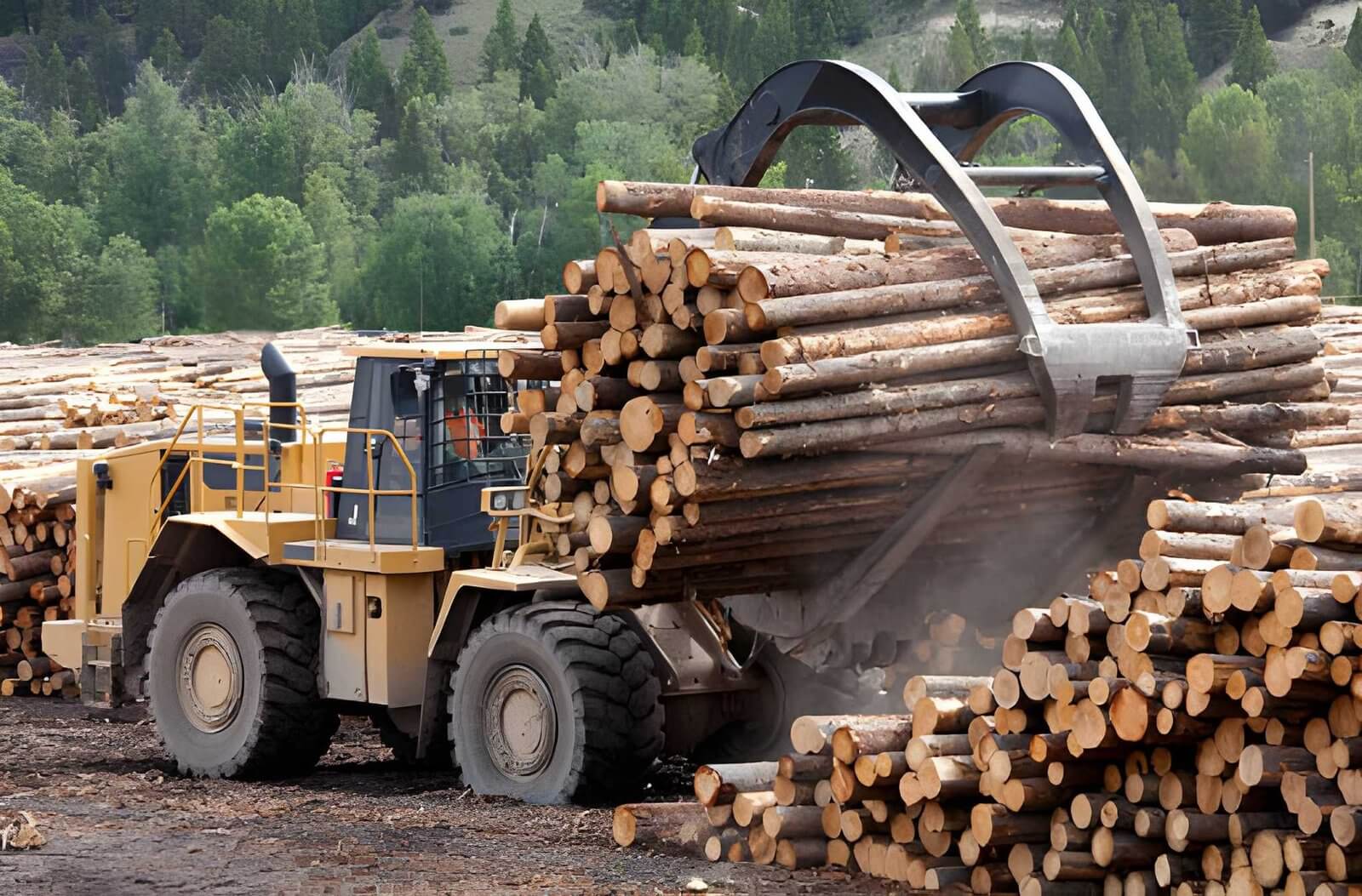
You’ve probably heard these terms a lot without a clear explanation. Here’s what they actually mean — no forestry degree required.
Softwoods come from conifer trees (pine, cedar, Douglas fir). They grow faster, making them more affordable and widely available. Despite the name, some softwoods are surprisingly strong.
Hardwoods come from deciduous trees (oak, maple, poplar). They grow slower, tend to be denser, and are generally more durable — but also more expensive and harder to work with.
Here’s the myth worth busting: softwood doesn’t mean weak. Pine furniture has lasted centuries. The classification is botanical, not a quality rating.
Simple rule of thumb: Start with softwoods. Build your skills. Graduate to hardwoods when you’re ready. Poplar is a great bridge — technically a hardwood but works like a softwood. It’s one of the main reasons poplar makes the shortlist for the best wood for beginner woodworking projects.
Where to Buy Wood for Beginner Projects
Knowing what to buy is only half the battle. Here’s where to actually get it:
- Home Depot / Lowe’s — Most convenient. Great selection of pine, cedar, plywood, and MDF. Perfect for getting started without overthinking it.
- Local lumber yards — Better quality selection, often better pricing on larger quantities, and staff that actually know their stuff.
- Online suppliers — Great for specialty woods like basswood. Woodcraft and Bell Forest Products are solid options.
When you’re inspecting boards before buying, always check for:
- Warping and twisting — Sight down the board at eye level. Any curve or twist means headaches later.
- Cupping — Look at the end grain. If the board curves like a U-shape, leave it on the shelf.
- Loose knots — Small, tight knots are usually fine. Large knots that look like they could pop out? Hard pass.
Quick note on dimensions: A “2×4″ is actually 1.5″ x 3.5”. Nominal vs. actual dimensions are different — always measure before you cut. Also, look for boards labeled S4S (Surfaced Four Sides) — they’re already smooth on all sides and save you a ton of prep work.
How to Choose the Right Wood for Your First Project
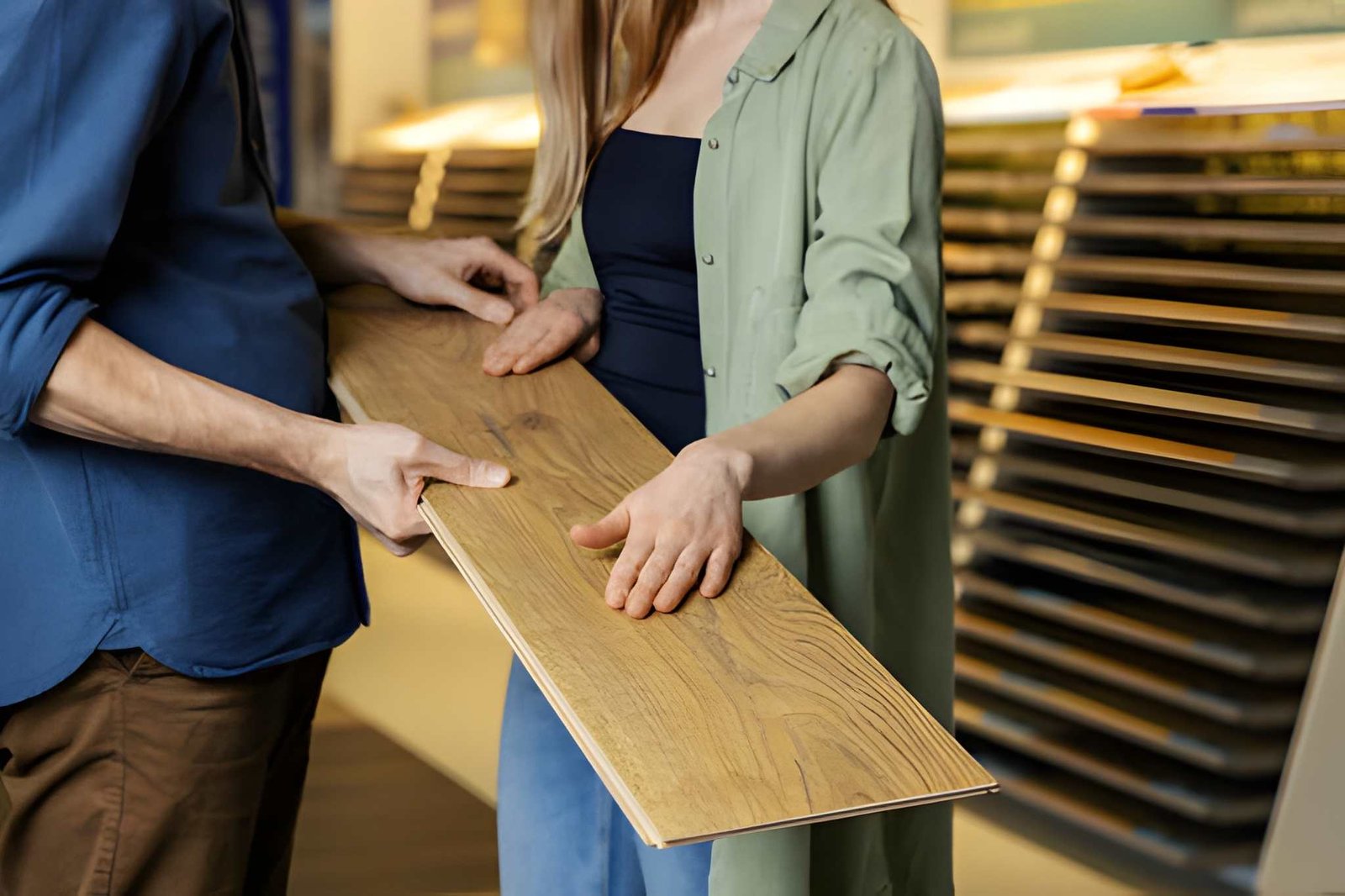
Still unsure which wood to grab? Run through this quick decision framework — it covers everything you need to identify the best wood for beginner woodworking projects for your specific situation:
- Indoor or outdoor? — Outdoor projects need cedar. Indoor projects work great with pine, poplar, or MDF.
- Painted or stained? — Painting? Go with poplar or MDF for the smoothest finish. Staining to show grain? Pine is your best bet.
- Small or large project? — Small crafts and carvings belong to basswood. Larger storage builds are perfect for plywood.
- Tight budget? — Pine, plywood, and MDF give you the most material for the least money. No shame in starting there. 🙂
5 Simple First Projects Matched to Each Wood
Ready to stop reading and start building? Here are five perfect starter projects, each matched to the right wood:
- Floating wall shelf — Use pine. Cheap, fast, and gives your space some personality in a weekend.
- Raised garden bed — Use cedar. It’ll handle rain and soil for years without rotting.
- Small carved ornament — Use basswood. Perfect for learning hand tools and Dremel techniques.
- Storage cabinet — Use plywood. Big, useful, and surprisingly satisfying to build from scratch.
- Painted side table — Use poplar. Sand it smooth, paint it your favourite colour, and pretend you bought it at a boutique. Nobody has to know.
| INTERNAL LINK: Want the full project list? We’ve rounded up 20 easy woodworking projects for beginners that you can build this weekend with simple tools. [→ Easy Beginner Woodworking Projects] |
Frequently Asked Questions About Wood for Beginners
What is the simplest wood to deal with for a beginner?
Pine is the most accessible wood for novices, as it is inexpensive, soft, and widely available. Basswood is especially easy to carve by hand.
What is the best wood for beginner woodworking projects overall?
Pine is the top recommendation for most first builds because of its low cost, wide availability, and forgiving nature. For painted furniture, poplar is the best wood for beginner woodworking projects. For outdoor builds, cedar takes the top spot.
What wood should I use for my very first project?
Start with pine or plywood. Pine for smaller builds like shelves or boxes. Plywood for anything larger like cabinets or storage units. Both are affordable and forgiving enough for a first attempt.
Is plywood considered a good beginner wood?
Yes — especially for larger projects. Plywood is stable, resists warping, and is very budget-friendly. For the cleanest finish, look for birch plywood specifically.
What is the difference between softwood and hardwood for beginners?
Softwoods come from conifer trees (pine, cedar, fir) and are generally easier and cheaper to work with. Hardwoods come from deciduous trees (oak, maple, poplar) and are denser and more durable. IMO, beginners should always start with softwoods or poplar before tackling harder hardwoods.
Where should I get wood for woodworking?
For convenience and commonly used woods, visit Home Depot or Lowe’s. Local lumberyards provide superior quality and affordability. Woodcraft, an online shop, sells premium woods such as basswood.
Final Thoughts
Here’s the bottom line: the best wood for beginner woodworking projects isn’t some rare, expensive material you have to hunt down. It’s pine. It’s poplar. It’s plywood. It’s whatever forgiving, affordable wood gets you building something today instead of researching forever.
Every expert woodworker alive today started exactly where you are — standing in a lumber yard, slightly confused, and full of enthusiasm. That enthusiasm is your biggest asset. Don’t let the wrong wood kill it.
Grab some pine, pick a simple project, and get building.