
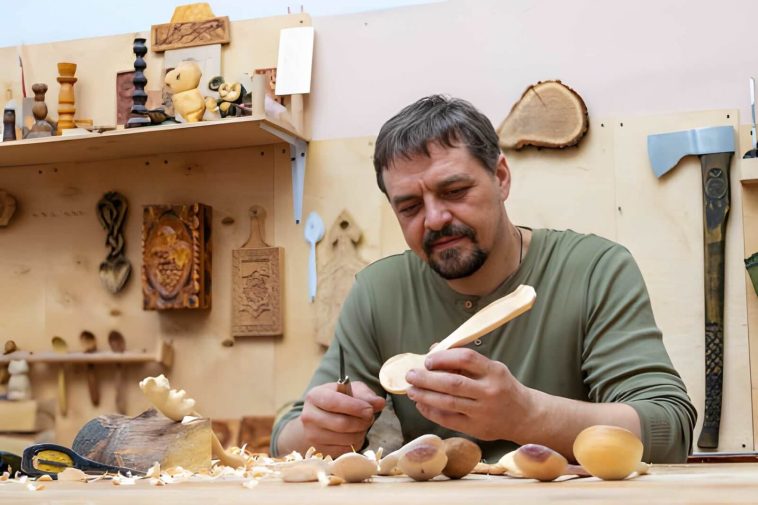
Picture this: you just bought your first carving knife, you’re pumped, you grab a random piece of wood from your garage — and ten minutes later your blade is bouncing off it like it’s made of concrete. Sound familiar? Yeah, we’ve all been there.
Choosing the wrong wood is one of the most common beginner mistakes in wood carving — and honestly, it’s not your fault. Nobody tells you this stuff upfront. So let’s fix that right now.
In this guide, I’ll walk you through the 7 best woods for beginners to carve, what makes each one easy (or not) to work with, which ones to flat-out avoid, and exactly which wood you should grab first depending on your project. No fluff, no filler — just the stuff that actually helps.
What Makes a Wood Easy to Carve? (The 4 Factors)
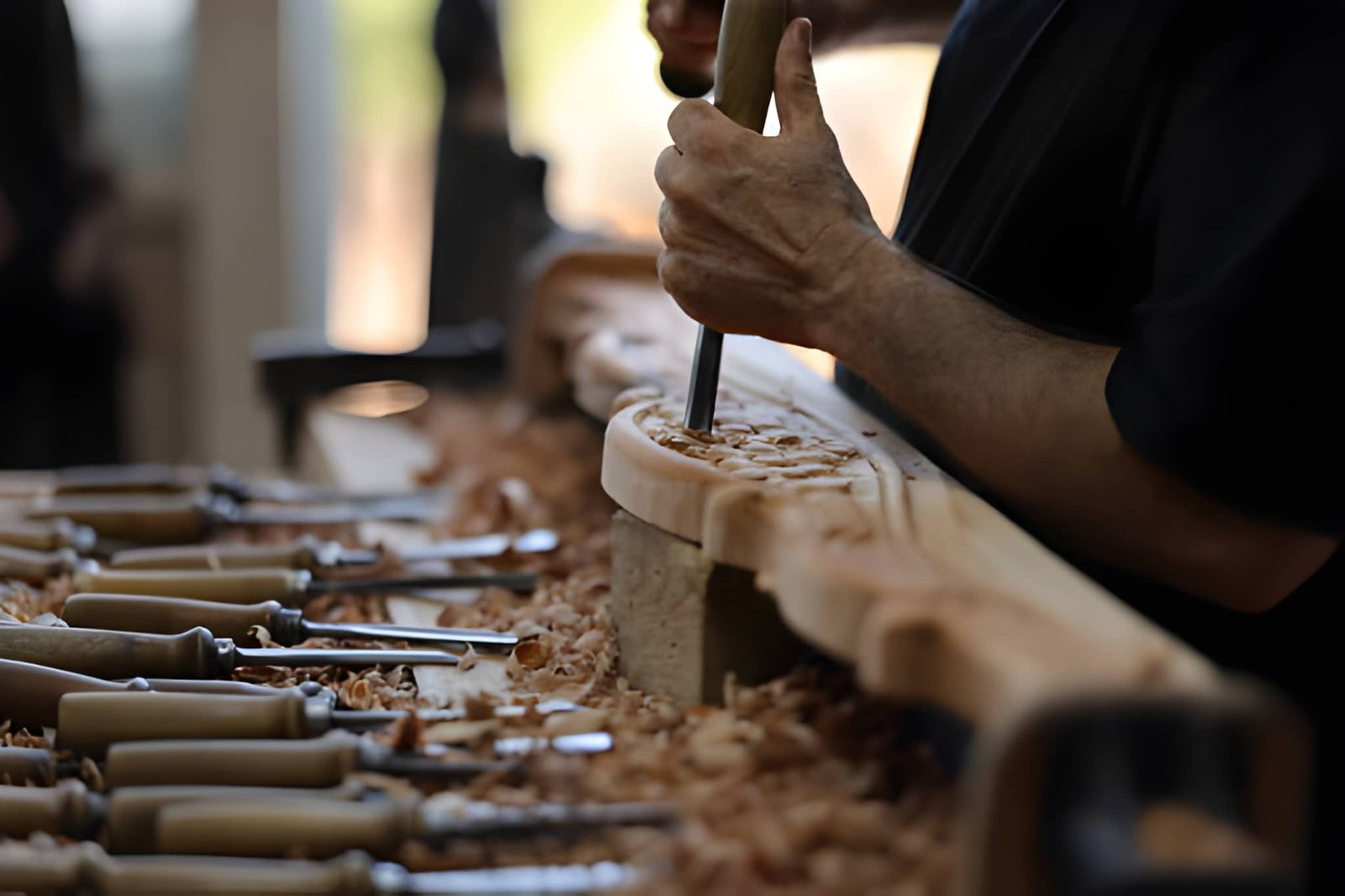
Not all wood is created equal — and if you’ve ever wondered why some pieces practically carve themselves while others fight you every step of the way, it comes down to four key factors.
1. Hardness (The Janka Scale)
The force required to embed a steel ball in wood is measured by the Janka hardness scale. The softer and simpler to carve, the lower the number. Basswood is in beginner area at about 410 lbf. Oak? 1,290 pounds. I wish you well on your first project.
2. Grain Structure
Tight, straight grain is your best friend. It means the wood cuts cleanly, holds fine detail, and doesn’t splinter unexpectedly. Open grain (like oak) causes tearout — your tool catches and rips rather than slices.
3. Moisture Content
Wood below 12–15% moisture content is considered dry and stable. Dry wood holds detail better, doesn’t shrink mid-project, and finishes cleanly. A cheap moisture meter from Amazon is genuinely worth the $15.
4. Cost and Availability
The best beginner wood is useless if you can’t find or afford it. FYI, all 7 woods on this list are easy to source online or at your local hobby shop — no specialty lumber yard required.
The 7 Best Woods for Beginners to Carve (Ranked)
Alright, here’s what you actually came for. I’ve ranked these based on ease of carving, availability, cost, and how forgiving they are when you inevitably make mistakes — because you will, and that’s totally fine.
#1 Basswood — The Best Overall Choice
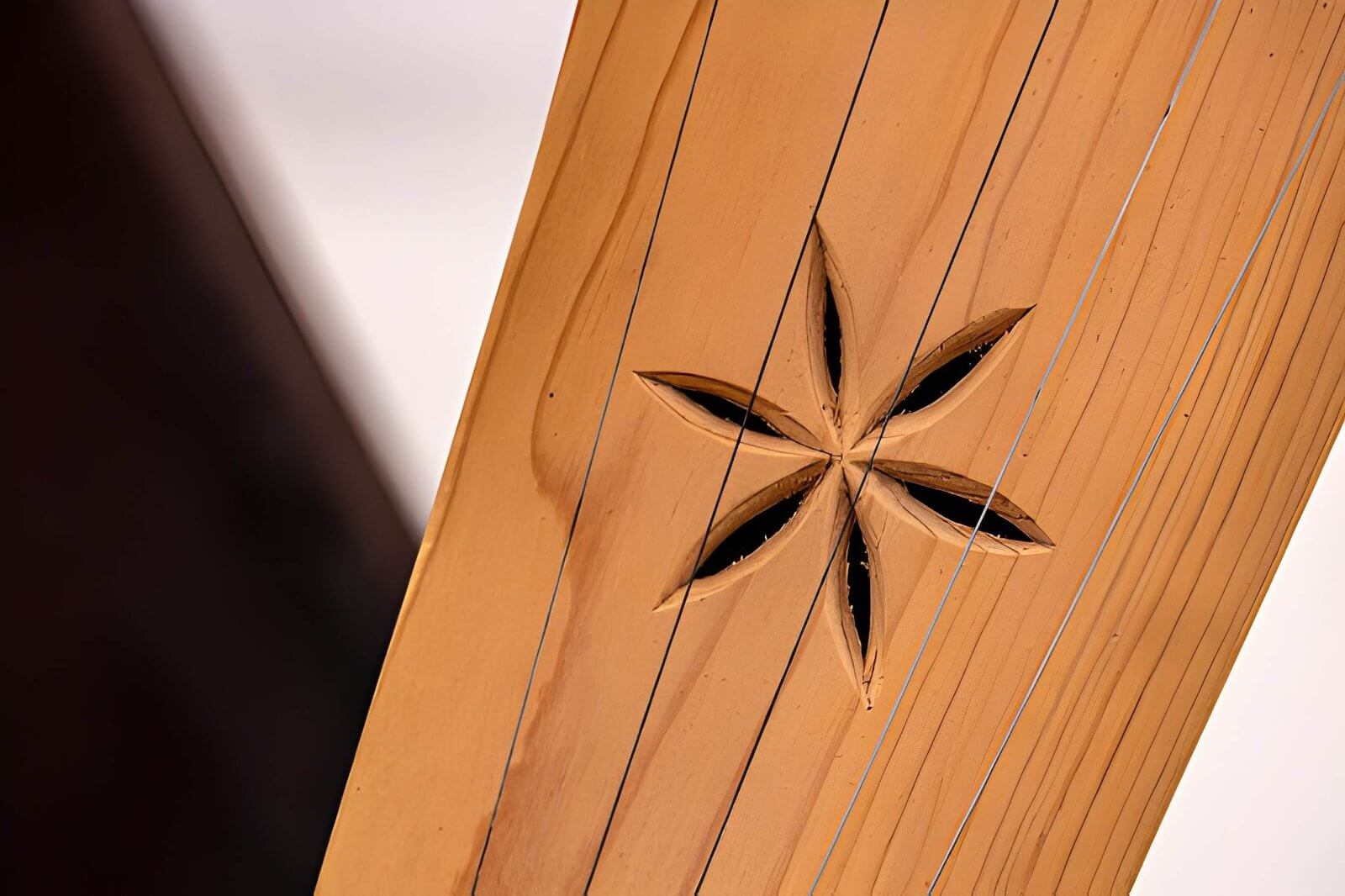
If I could only recommend one wood for every beginner on the planet, it’d be basswood — no question. It’s soft (Janka 410 lbf), has a fine, tight grain, holds incredible detail, and it’s widely available in pre-cut blocks online.
Here’s why I love it so much:
- Cuts clean — responds beautifully to both knives and Dremel tools (see my full beginner Dremel guide here)
- Zero splintering — forgiving when you slip (and you will slip)
- Light cream color — takes paint and stain evenly
- Affordable — beginner blocks start around $10–15 on Amazon
- No allergies — unlike some exotic woods, basswood is completely safe
Best for: figure carving, face carving, relief carving, Dremel carving, chip carving.
#2 Butternut (White Walnut) — Ideal for Beautiful Grain
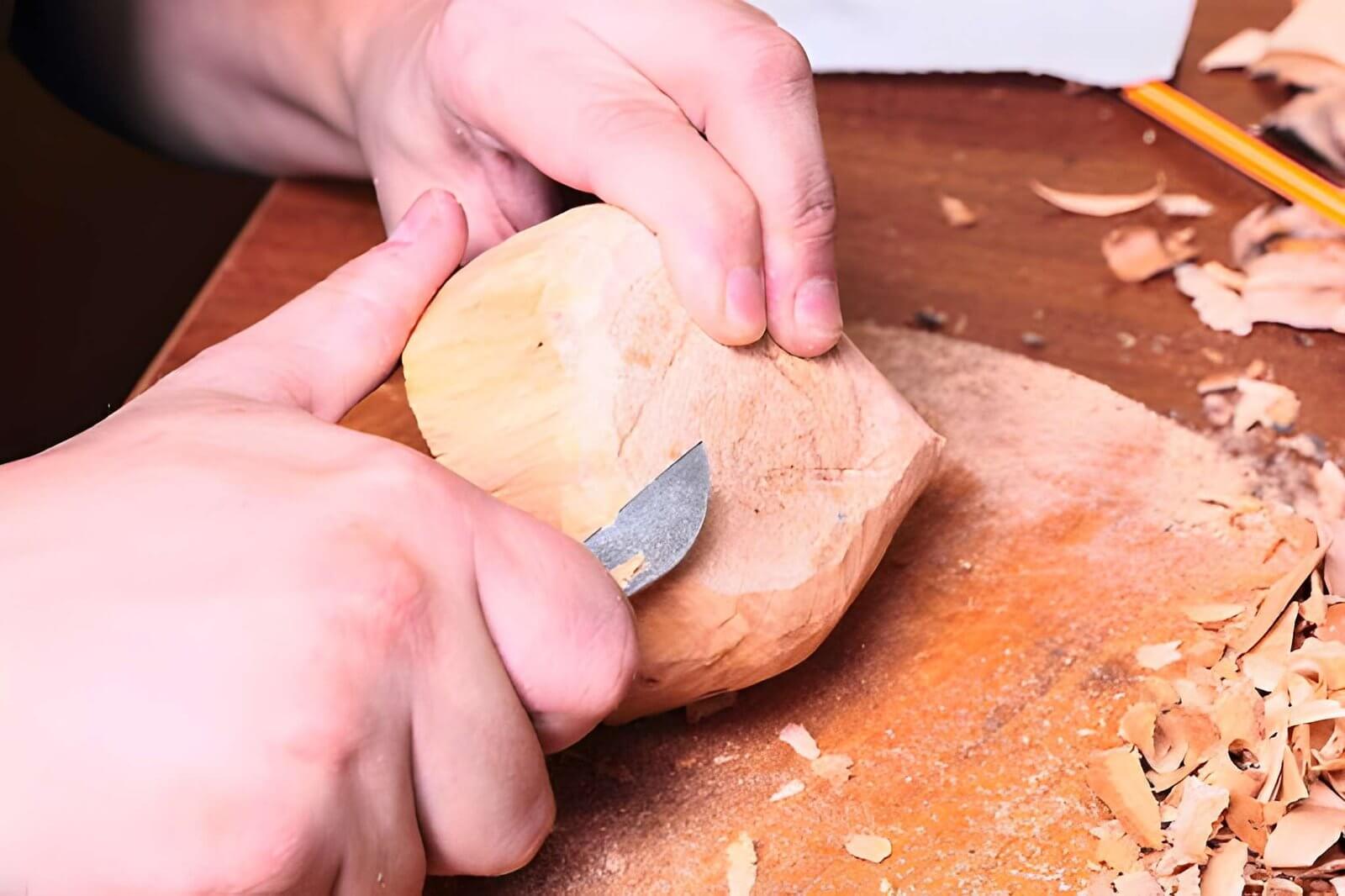
Butternut is basswood’s slightly fancier cousin. It’s soft enough for beginners but gives you that gorgeous light brown heartwood with darker streaks — the kind of finish that makes people ask ‘did you actually make that?’
One heads-up though: butternut does dull tools a bit faster than basswood. Keep your sharpening stones close. Best for: bowls, decorative signs, furniture accents, relief carving
- Watch out for: tool dulling — sharpen frequently
#3 Aspen — Best Budget Option
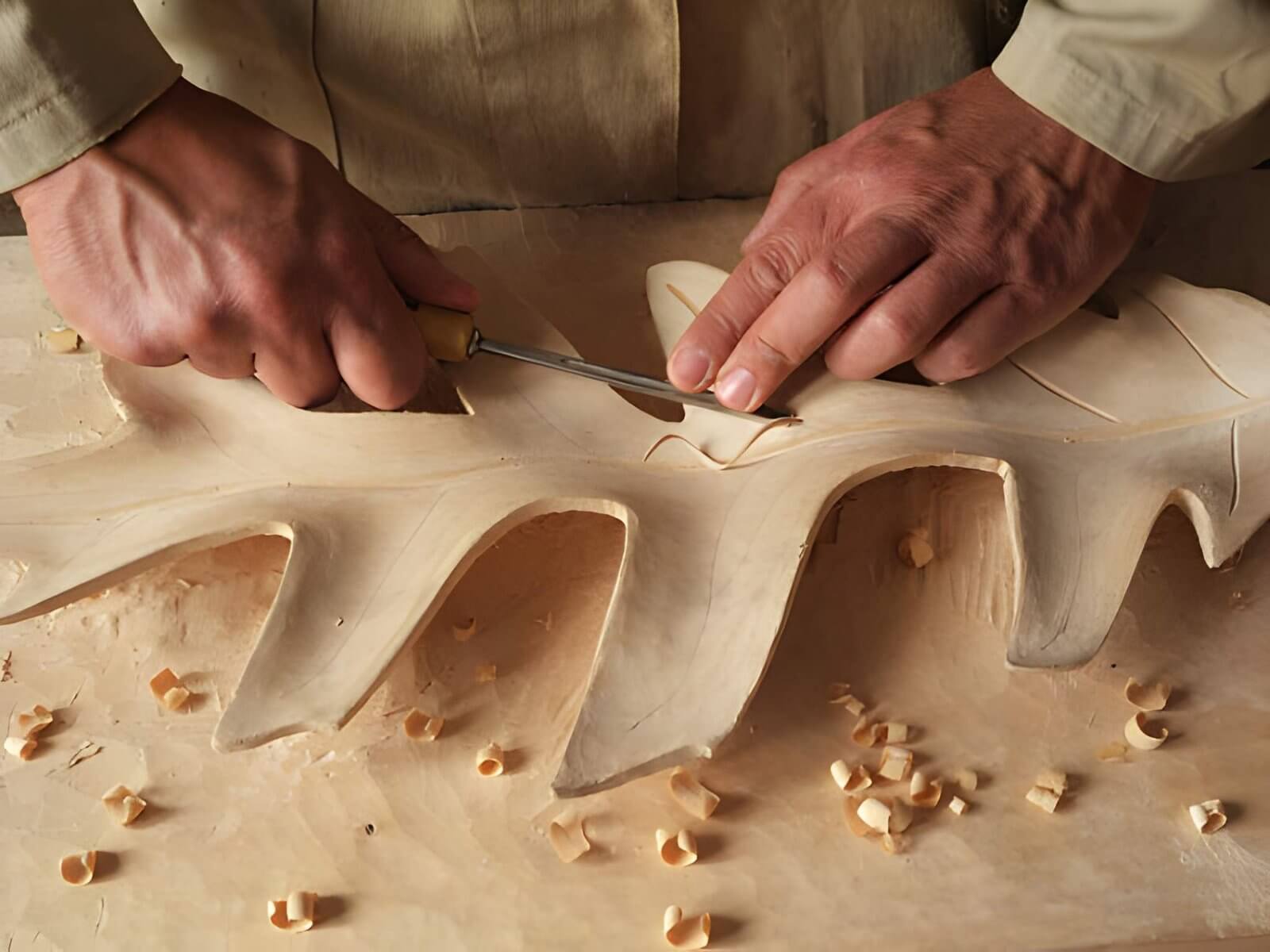
Here’s a fun fact: aspen is technically a hardwood — but it carves like a soft one. It has a clean white color, straight uniform grain, and grows literally everywhere across North America, which means it’s cheap and easy to find locally.
If you’re on a tight budget and want to practice before investing in basswood blanks, aspen from a local lumber yard is your move.
- Best for: whittling, relief carving, practice projects
- Why it works: consistent grain, minimal knots when selected carefully
#4 White Pine — Best for Whittling
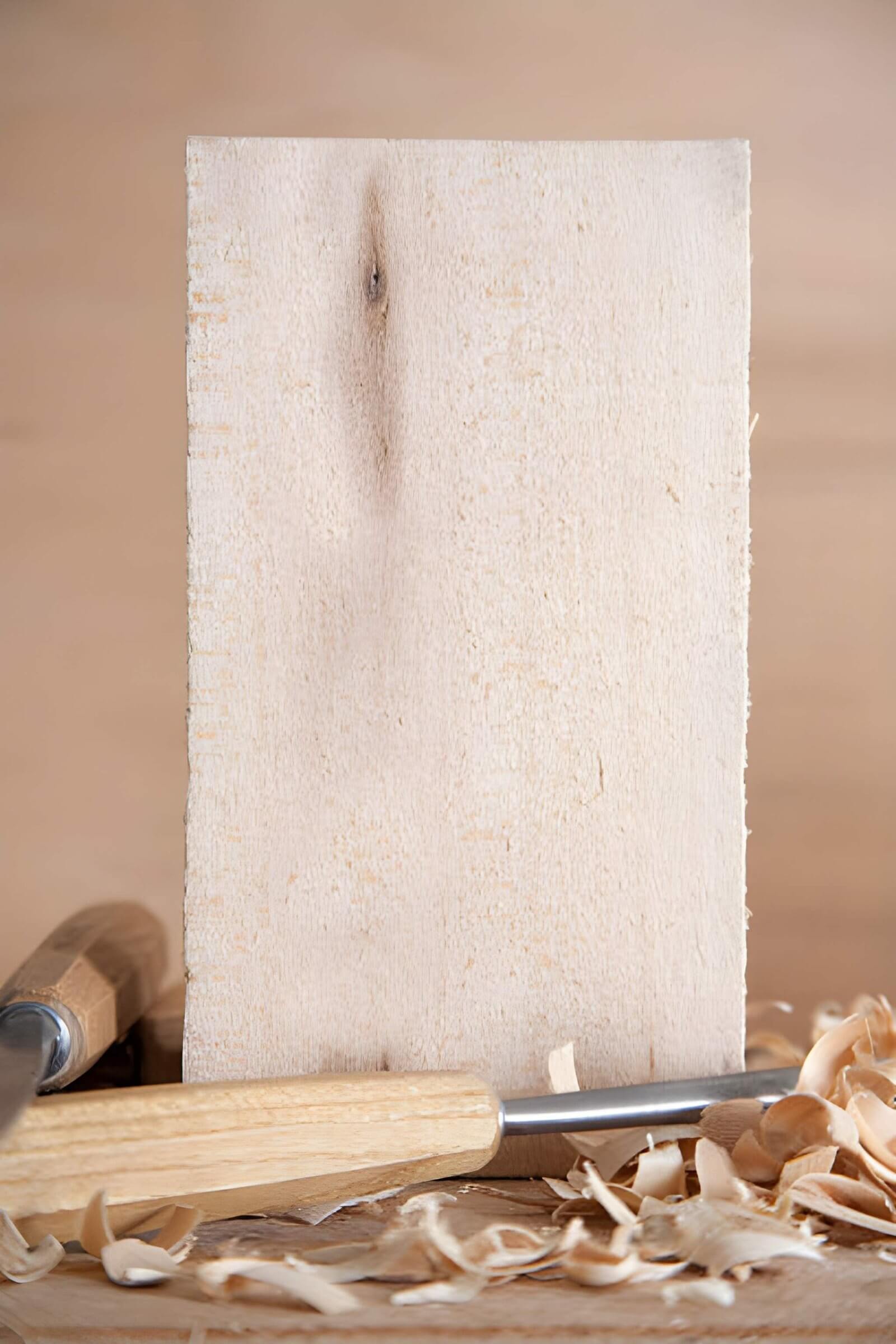
White pine is soft, light, and readily available at virtually any lumberyard. It carves easily with a sharp knife and responds well to hand tools. And it’s cheap, which is always a plus.
Two things to look out for: resin pockets (those sticky amber areas) and cracking when it dries. To minimize fractures forming midway through the process, seal the end grain early with wood glue or a commercial sealer.
- Best for: knife whittling, relief carving, quick weekend projects
- Not ideal for: chip carving — the soft grain can be inconsistent
#5 Balsa — Best for Absolute First-Timers
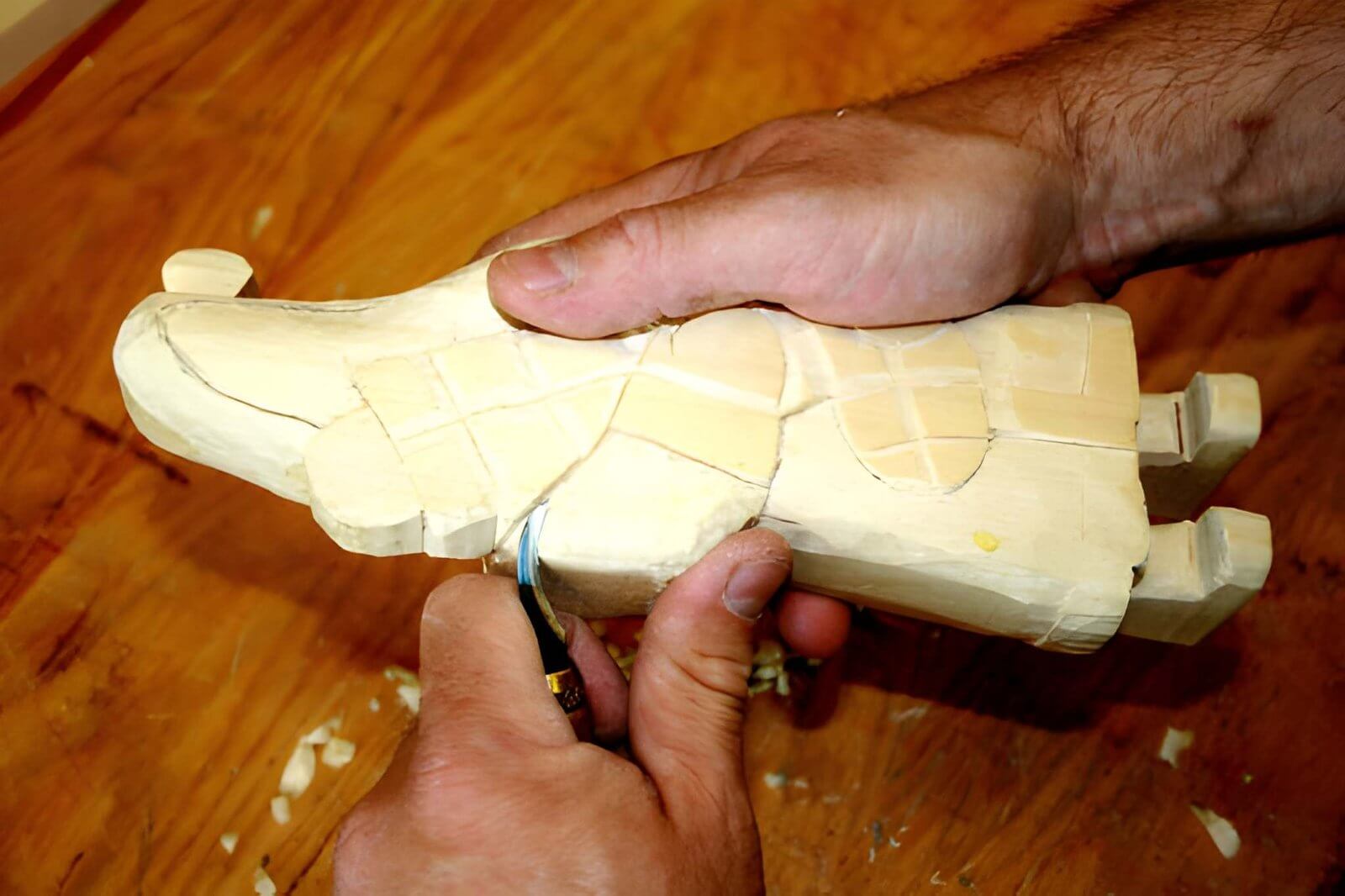
If you have never carved anything in your life, start with balsa wood. It’s ultra-soft — like carving a hard sponge — so you can concentrate solely on mastering the tool’s operation without fighting the material.
Balsa, in my opinion, is not a good carving wood for the long term. Consider this the training wheels stage. Once you know how to hold a knife and control a gouge, move on to basswood.
- Best for: total beginners, learning tool technique and motion
- Not ideal for: detail work or finished display pieces
#6 Poplar (Tulipwood): The Most Accessible Choice
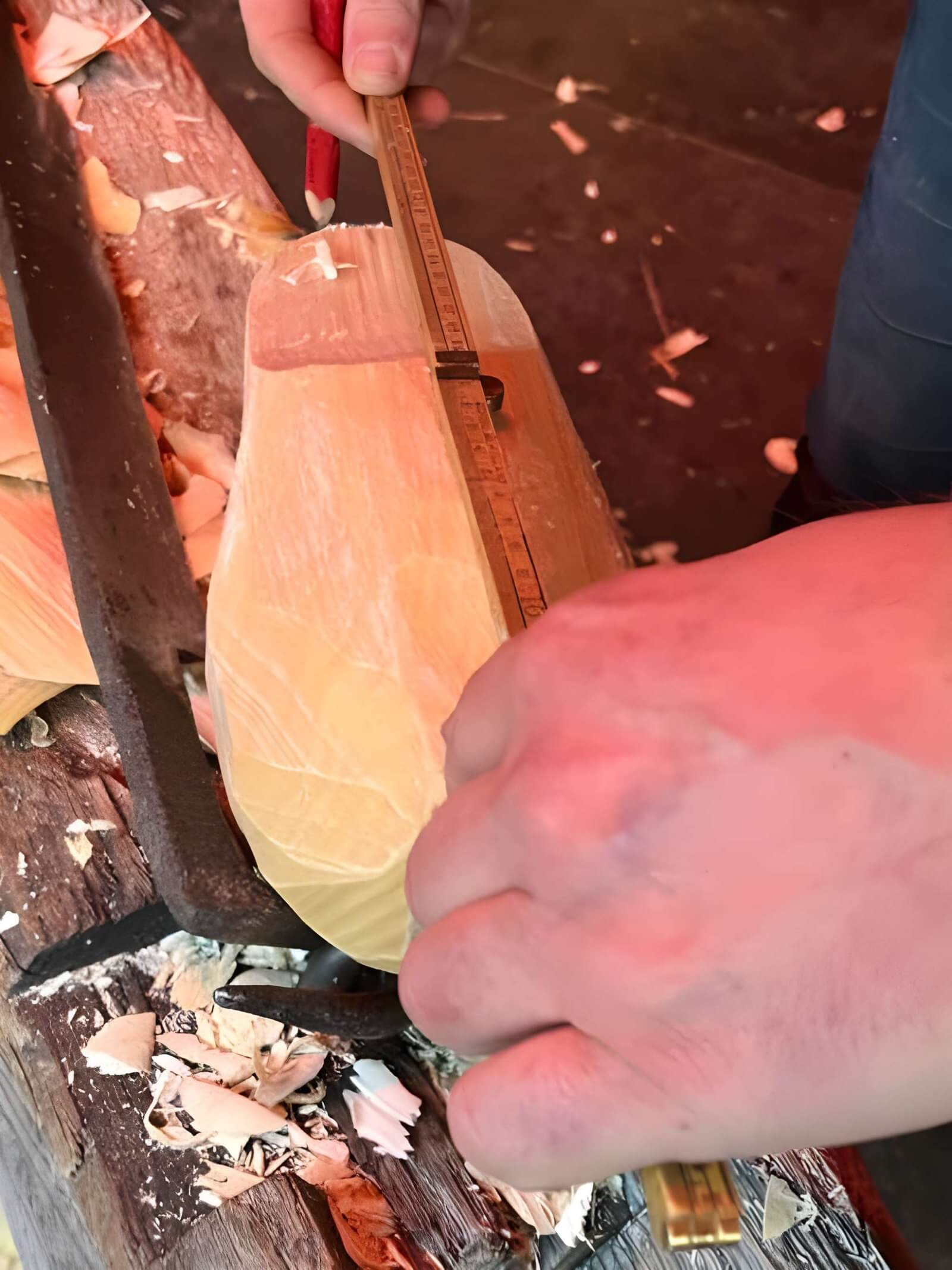
Poplar is the wood you grab when you can’t find basswood locally. It has a similar soft feel, straight uniform grain, and accepts finishes beautifully. Most lumber yards stock it year-round.
The one quirk? Poplar can show green and purple streaks in the grain — completely normal, but worth noting if you want a clean, uniform color in your finished piece.
- Best for: relief carving, small projects, furniture accents
- Pro tip: great step-up wood after mastering basswood
#7 Lime/Linden Wood: Ideal for Fine Details
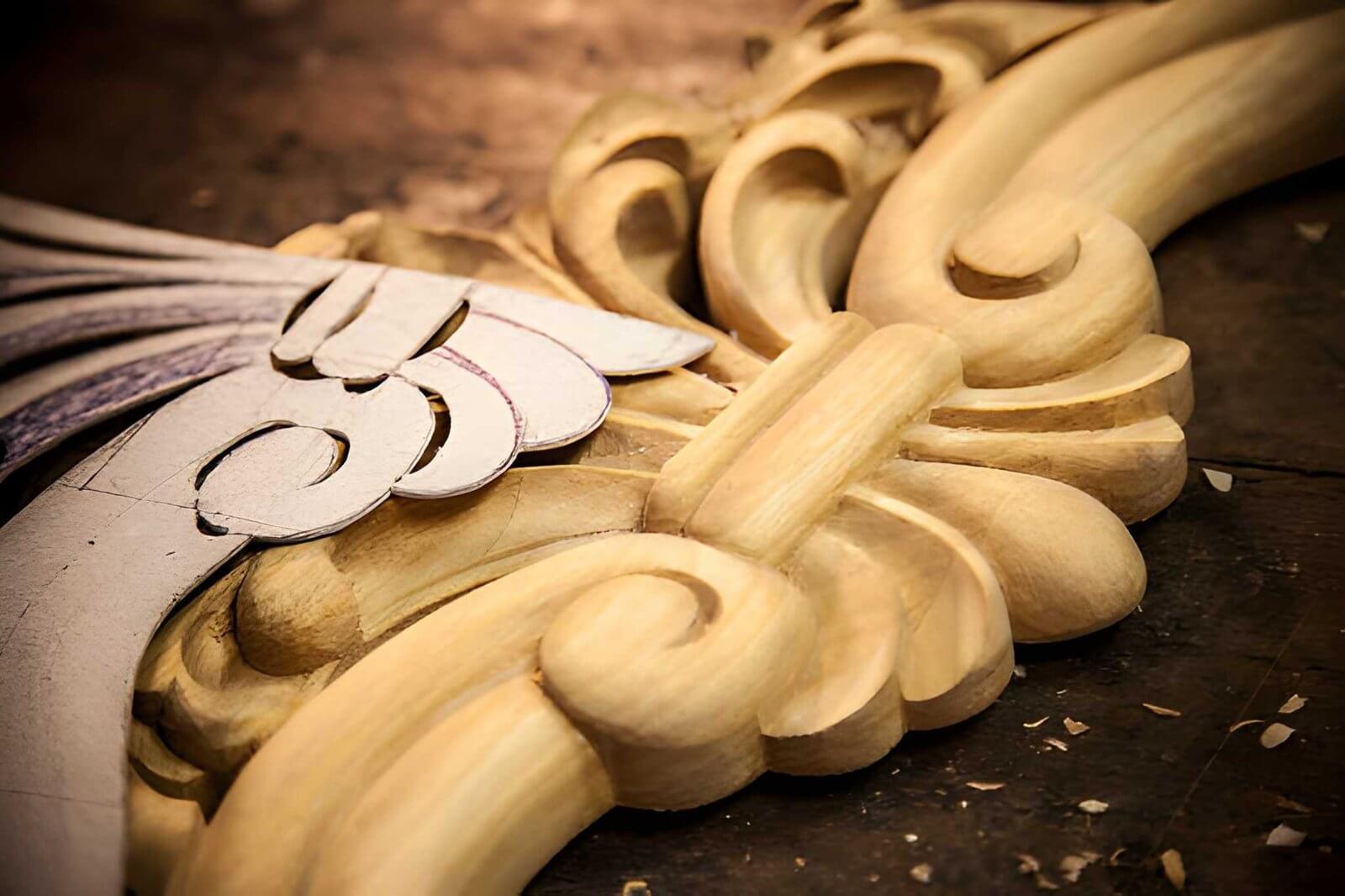
Here’s something most beginner guides skip: linden and basswood are the same tree — linden is just the European name. If you’re in the UK or buying from European suppliers, look for lime wood or linden.
It’s extremely soft, has a barely-there grain, and practically zero splintering. If you want to carve a highly detailed face or an intricate chip carving pattern, linden is your best bet every single time.
- Best for: face carving, intricate chip carving, fine detail work
- Where to find it: European wood carving suppliers, BeaverCraft
| Ready to try linden with a rotary tool? See 14 Best Dremel Wood Carving Projects — the fine grain handles rotary tool work beautifully and these projects are perfect starting points. |
Comparison Table: All 7 Woods at a Glance
Not a fan of reading everything? Fair enough — here’s the quick-reference table. Screenshot it, print it, stick it on your workshop wall.
| Wood | Hardness | Grain | Best For | Cost | Rating |
| Basswood | 410 lbf (soft) | Fine, tight | All styles | $ | ★★★★★ |
| Butternut | 490 lbf (soft) | Medium, streaked | Relief, signs | $$ | ★★★★☆ |
| Aspen | 350 lbf (soft) | Straight, uniform | Whittling, practice | $ | ★★★★☆ |
| White Pine | 380 lbf (soft) | Straight, some resin | Whittling | $ | ★★★☆☆ |
| Balsa | 70 lbf (very soft) | Open, spongy | First-timers only | $ | ★★★☆☆ |
| Poplar | 540 lbf (medium-soft) | Straight, uniform | Relief, furniture | $ | ★★★★☆ |
| Linden/Lime | ~400 lbf (soft) | Very fine, tight | Detail, faces | $$ | ★★★★★ |
Which Wood Should YOU Start With? (Decision Guide)
Still not sure? Here’s the no-brainer decision guide based on your situation:
- Never carved before? Start with balsa or basswood. You need soft, forgiving material to learn the motion.
- Whittling with a knife? Basswood or white pine. Both respond beautifully to knife cuts.
- Using a Dremel? Basswood or linden. Fine grain handles rotary tools cleanly without tearout.
- Want a beautiful natural finish? That heartwood grain is genuinely stunning.
- On a tight budget? Aspen or white pine from your local lumber yard — cheap and effective.
- Ready for fine detail and face carving? Linden or basswood, every time.
| Not sure what to make first? Browse 15 Stunning Wood Carving Projects That’ll Inspire Your Next DIY Creation — perfect for sparking ideas before you pick up your first tool. |
5 Woods Beginners Should Avoid (And Why)
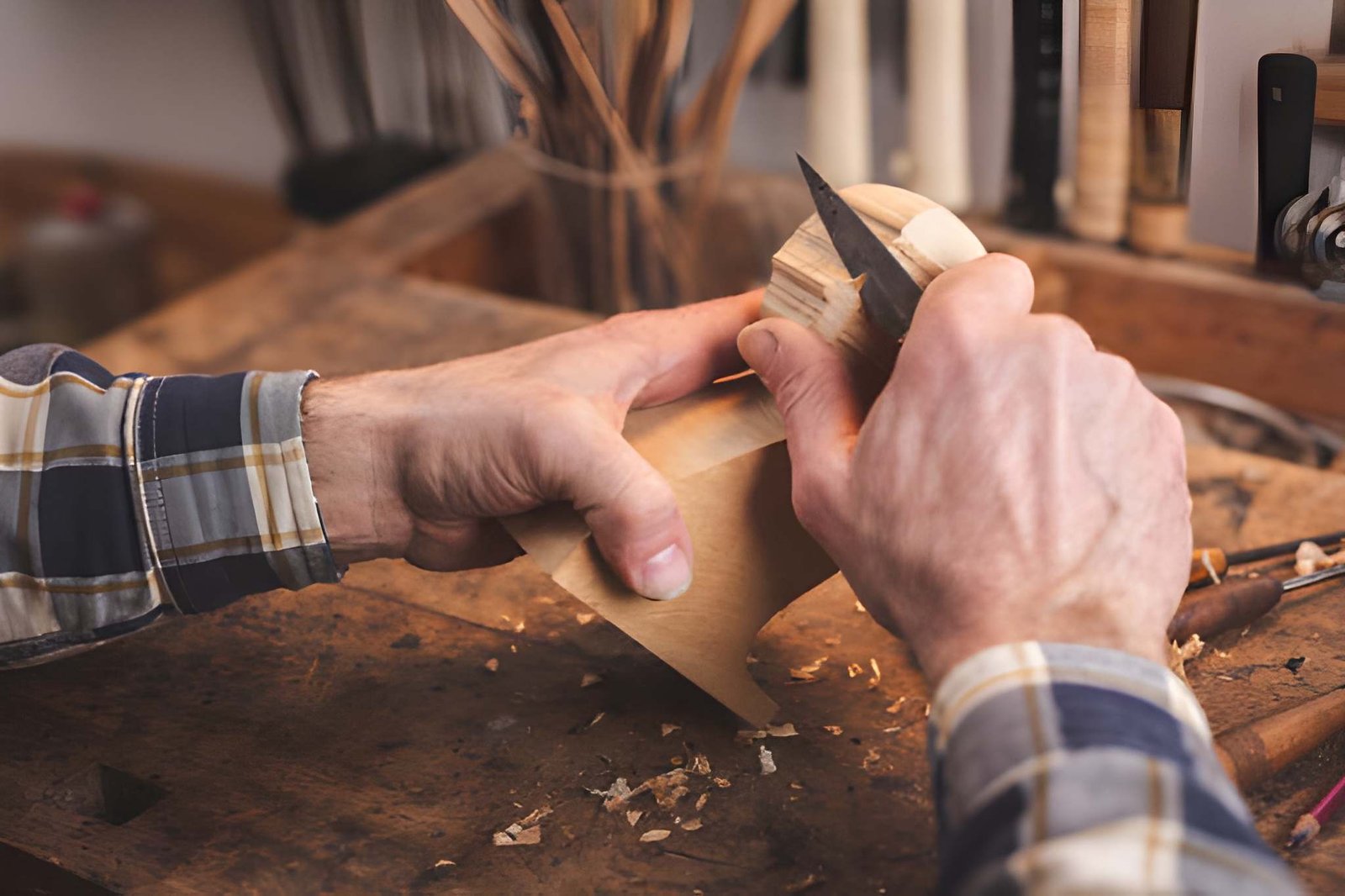
Let’s talk about the woods that will make you want to throw your tools across the room. Avoid these as a beginner — not forever, just until your skills catch up.
- Oak (1,290 lbf): Dense, open grain causes constant tearout. Tools bounce and catch. Save it for year two.
- Hard Maple (1,450 lbf): Beautiful wood, absolutely brutal to carve as a beginner. Dulls tools rapidly.
- Walnut (1,010 lbf): Gorgeous grain and color but too hard for beginners. A great next step after soft woods.
- Cherry (950 lbf): Requires very sharp tools and solid technique. Rewarding for intermediate carvers, frustrating for beginners.
- Random scrap / construction lumber: Knots, inconsistent grain, potentially treated with chemicals. The most common beginner mistake. Just don’t.
Green Wood vs. Dry Wood: Which Is Better for Beginners?
Ever heard someone say they carved a spoon from a freshly cut branch in the backyard? That’s green wood carving — and it’s a real thing. But is it right for you as a beginner?
Green Wood
- Much easier to cut — your tools glide through it
- Can be sourced for free from tree surgeons or fallen branches
- Great for spoons and utensils — here’s exactly how to carve a wooden spoon by hand from a fresh branch
- Downside: can crack as it dries; dimensions change as moisture leaves the wood
Dry Wood
- Stable and predictable — no surprises mid-project
- Holds fine detail without shifting or warping
- Best choice for beginners who want consistent, reliable results
- Slightly harder to cut than green, but very manageable with sharp tools
| The verdict: For your first projects, use dry, seasoned basswood from a shop. It’s consistent, predictable, and forgiving. Once you have the basics down, experiment with green wood for spoons and rustic pieces — it’s genuinely a fun change of pace. |
Where to Buy Wood for Carving (Online + Local)
Good news: you don’t need a specialty lumber yard to get started. Here’s exactly where to find all 7 of these beginner-friendly woods:
Online
- Amazon — basswood carving blocks (great value multipacks)
- BeaverCraft — excellent linden and lime wood blanks cut specifically for carving
- Etsy — specialty wood blanks, unusual species, and custom cut sizes
- com — wide selection with good quality control
Local Stores
- Hobby Lobby / Michaels — basswood sheets and small carving blocks
- Home Depot / Lowe’s — white pine and poplar in standard dimensional lumber
- Local lumber yards — aspen, poplar, and pine at very competitive prices
Free Sources (Yes, Really)
- Tree surgeons and arborists — often give away fresh wood cuttings for free
- Facebook Marketplace — people constantly post free scrap wood
- Your backyard — fallen branches of apple, cherry, or walnut for green wood carving
Best First Projects for Each Wood Type
Knowing which wood to buy is only half the battle. Here’s a quick-start project match for each wood so you can get carving immediately:
- Basswood: Start with a beginner face carving or a simple chip carving pattern. Check out my full beginner’s guide to carving expressive faces in wood for step-by-step instructions.
- Butternut: Try a decorative relief carving or a small sign. The natural grain makes even simple designs look professional.
- Aspen / White Pine: Perfect for whittling practice — a simple knife shape, a walking stick handle, or a small relief panel.
- Balsa: Any simple shape to practice tool control. Don’t overthink it — just carve and learn the feel of the tool.
- Poplar: Great for small shelf brackets, simple furniture details, or any project where you want a clean finish.
- Linden / Lime: Jump straight into a detailed Dremel carving project. Browse 14 Best Dremel Wood Carving Projects — the fine grain handles rotary tool work beautifully.
| Want a perfect beginner project? How to Carve a Wooden Spoon by Hand — a full step-by-step guide that works beautifully with both aspen and white pine. |
Final Thoughts
If you take one thing from this guide, make it this: start with basswood. It’s forgiving, affordable, widely available, and it’ll give you the best possible introduction to wood carving without the frustration of fighting your material.
Work your way through basswood, then butternut, then start experimenting with harder woods as your tool skills sharpen up. There’s no rush — the whole point of carving is to enjoy the process, not race through it.
Got a question about a specific wood I didn’t cover? Drop it in the comments below — I read every single one and I’m always happy to help you find the right wood for your project. Now go grab some basswood and make some sawdust.
FAQ — Best Wood for Beginners to Carve
What is the #1 best wood for a beginner to start carving?
Basswood — hands down. It’s soft, has a fine tight grain, holds detail beautifully, and works with knives, gouges, and Dremel tools equally well. It’s the universal beginner recommendation for good reason.
Is basswood easy to carve?
Very. Its Janka hardness of around 410 lbf puts it firmly in beginner territory. It cuts cleanly, doesn’t splinter, and holds fine detail — everything a new carver needs to build confidence.
What wood is easiest to whittle?
Basswood and white pine are the top picks for whittling. Both respond well to knife cuts, are widely available, and are inexpensive enough to practice on without feeling wasteful. Looking for a first project? How to Carve a Wooden Spoon by Hand is the perfect beginner whittle — here’s a full step-by-step guide.
Is green or dry wood better for beginner carvers?
Dry wood for beginners — always. It’s stable, predictable, and consistent. Green wood is a fun challenge once you have some experience, but starting with dry seasoned basswood gives you the most reliable results.
What woods should beginners avoid for carving?
Stay away from oak, hard maple, walnut, cherry, and random construction lumber. They’re either too hard, have problematic grain structures, or (in the case of construction lumber) may be chemically treated. Save the hardwoods for when your skills are solid.