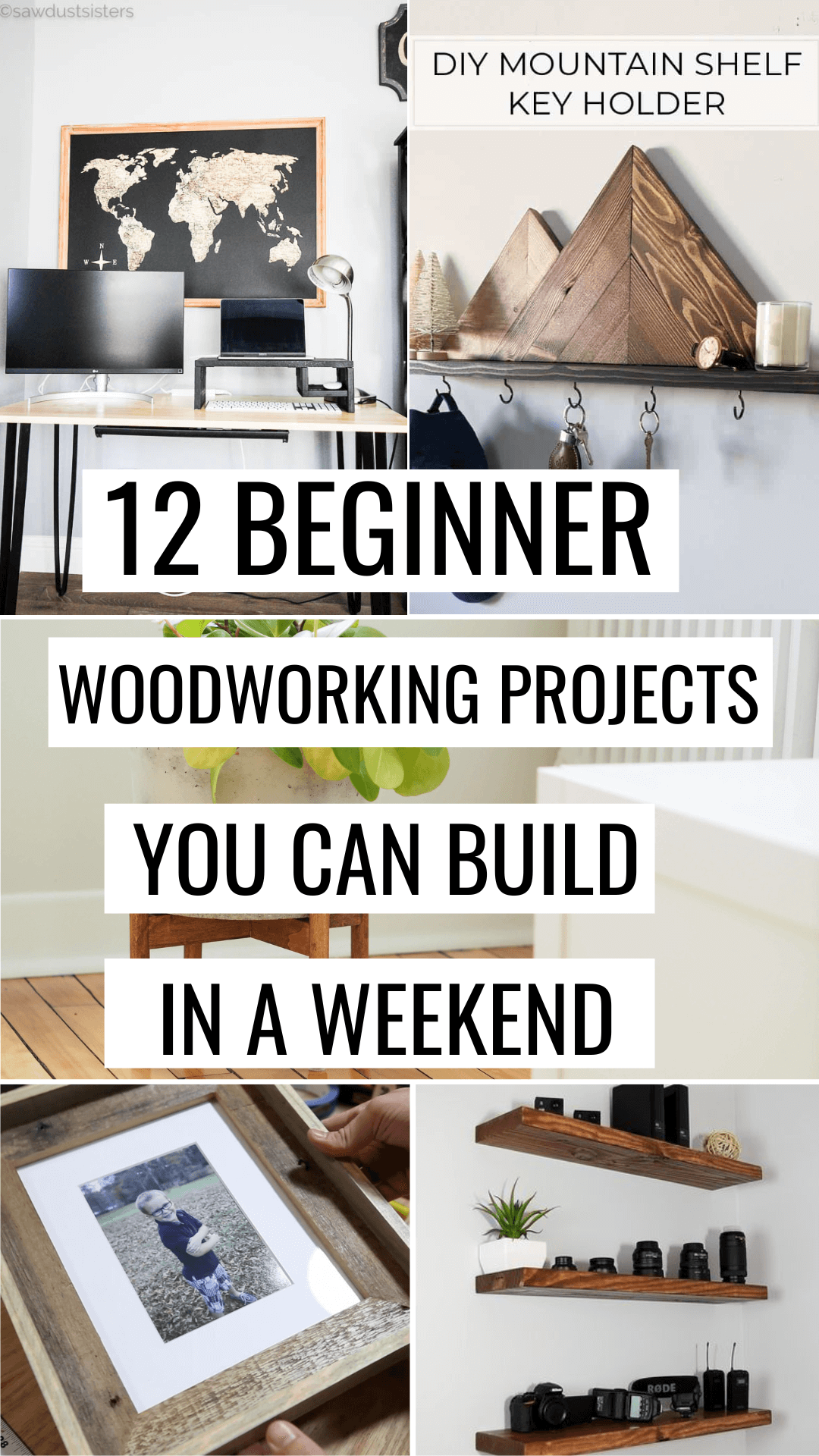
Beginner woodworking projects you can build in a weekend are the perfect way to gain confidence fast without investing months into a single build. Whether you’ve never picked up a saw or you’ve dabbled in a few DIY projects, weekend woodworking is one of the most rewarding ways to spend your time — and your Saturday.
Seriously, there’s something deeply satisfying about looking at a shelf you built yourself and thinking, “I made that.” (Trust me, you’ll say it out loud at least three times.)
The good news? You don’t need a garage full of power tools or five years of carpentry experience. All 12 projects in this list are practical, beginner-friendly, and — most importantly — finishable in a single weekend. No half-built disasters collecting dust in the corner. Just real, functional pieces you’ll actually use. Let’s get into it.
Why Weekend Woodworking Is Perfect Whether You’re a Total Beginner or Just Getting Started
Here’s the thing about short, focused projects — they build confidence fast. When you finish something in two days, you get that dopamine hit before frustration has a chance to creep in. No half-done tables haunting your garage for months.
Weekend projects also mean low tool investment and low stakes. You’re not committing to a full dining table set on your first try. A small shelf? A tray? That’s a $20 risk, not a $200 one. And if it doesn’t turn out perfect — that’s fine. You’ll learn more from one slightly wonky picture frame than from any YouTube tutorial. 🙂
The bottom line: you’ll actually finish something. And that feeling? It’s addictive in the best possible way.
What You Need Before You Start
Before you run to Home Depot and buy everything in the lumber aisle (been there), let’s keep this simple. Here’s what you actually need:
- Tools: Drill, circular or miter saw, sandpaper (or a sander), clamps, and a measuring tape. That’s your starting kit.
- Wood: Pine and plywood are your best friends. Affordable, easy to cut, widely available, and very forgiving for beginners.
- Budget: Most projects here cost between $10–$40. FYI, you don’t need premium hardwood to make something beautiful.
Want a deeper breakdown? Check out our Best Beginner Woodworking Tools guide before you shop.
One more thing worth mentioning before you start: if you ever find yourself staring at a blank piece of wood wondering “okay but how exactly do I build this?” — Ted’s Woodworking Plans is genuinely one of the most useful resources I’ve come across. It’s a massive library of step-by-step plans with cut lists, diagrams, and measurements already done for you. For beginners especially, having a clear plan in front of you makes a huge difference between finishing a project and abandoning it halfway through.
12 Beginner Woodworking Projects You Can Build in a Weekend
1. Simple Wall Shelf
credit : Instructables
- 🛠 Skill Level: Beginner
- ⏱ Time: 2–3 hours
- 🔧 Tools: Drill, saw, sandpaper, stud finder
- 💰 Cost: less than $10
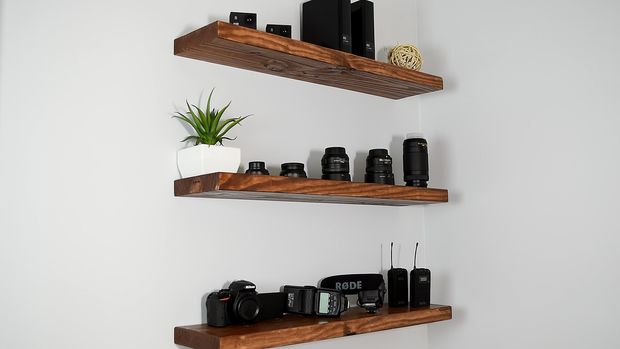
A floating wall shelf is hands-down one of the best first projects you can tackle. It’s fast, practical, and gives you instant visual payoff. You’ll use it every day — and visitors will absolutely notice it.
💡 Pro Tip: Always use a stud finder before mounting. Anchoring into drywall alone is a recipe for a shelf that ends up on the floor.
2. Wooden Picture Frame
credit : Instructables
- 🛠 Skill Level: Beginner
- ⏱ Time: 2–3 hours
- 🔧 Tools: Miter saw, sandpaper, wood glue, clamps
- 💰 Cost: $10–$15
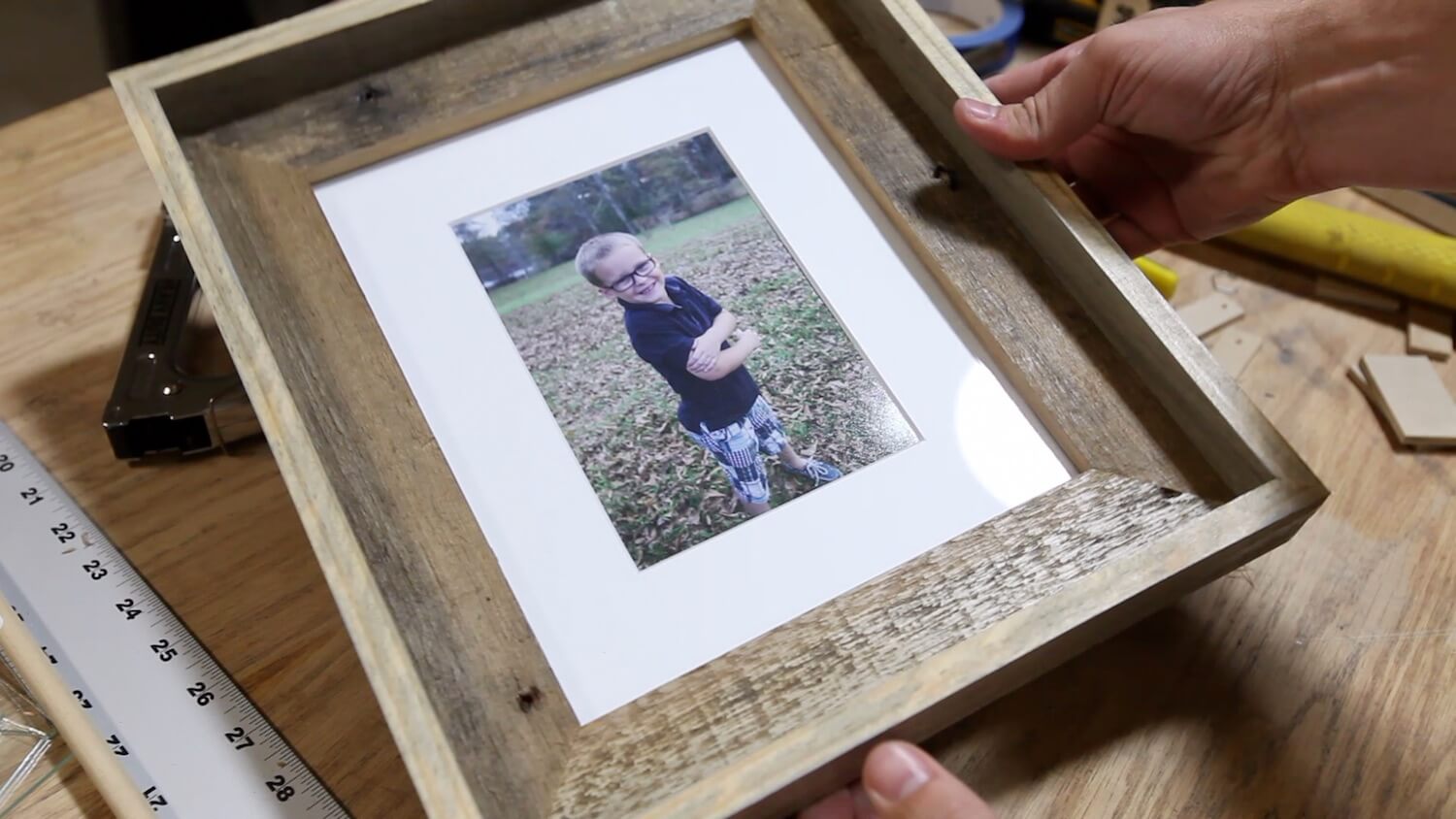
Simple 45° miter cuts are a fundamental skill — and a picture frame is the perfect low-pressure way to practice them. Get those corners clean, and you’ll feel like a professional carpenter. Get them slightly off, and… well, you’ll have a “rustic” frame. Win-win.
💡 Pro Tip: Sand the corner joints smooth before gluing for a nearly seamless finish.
3. Rustic Coffee Table Tray
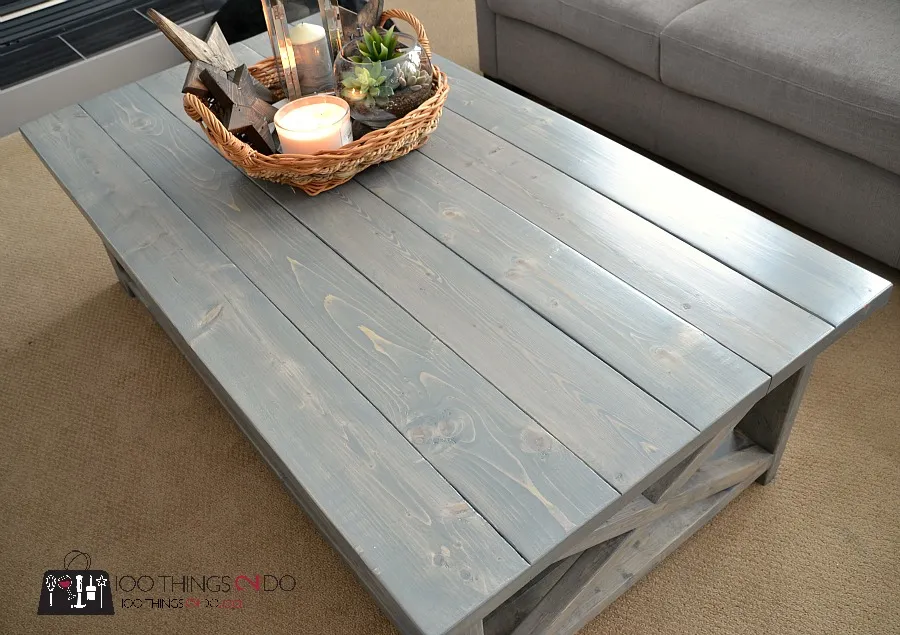
credit : 100 things to do
- 🛠 Skill Level: Beginner
- ⏱ Time: 2–4 hours
- 🔧 Tools: Saw, drill, sandpaper
- 💰 Cost: $15–$25
Basic cuts + handles = a functional, Pinterest-worthy piece that looks way more complicated than it is. This tray is genuinely one of the most satisfying beginner builds out there — and it photographs beautifully if you’re building a blog or social presence.
💡 Pro Tip: Add rope handles for a farmhouse look with zero extra woodworking skill required.
4. Wooden Plant Stand
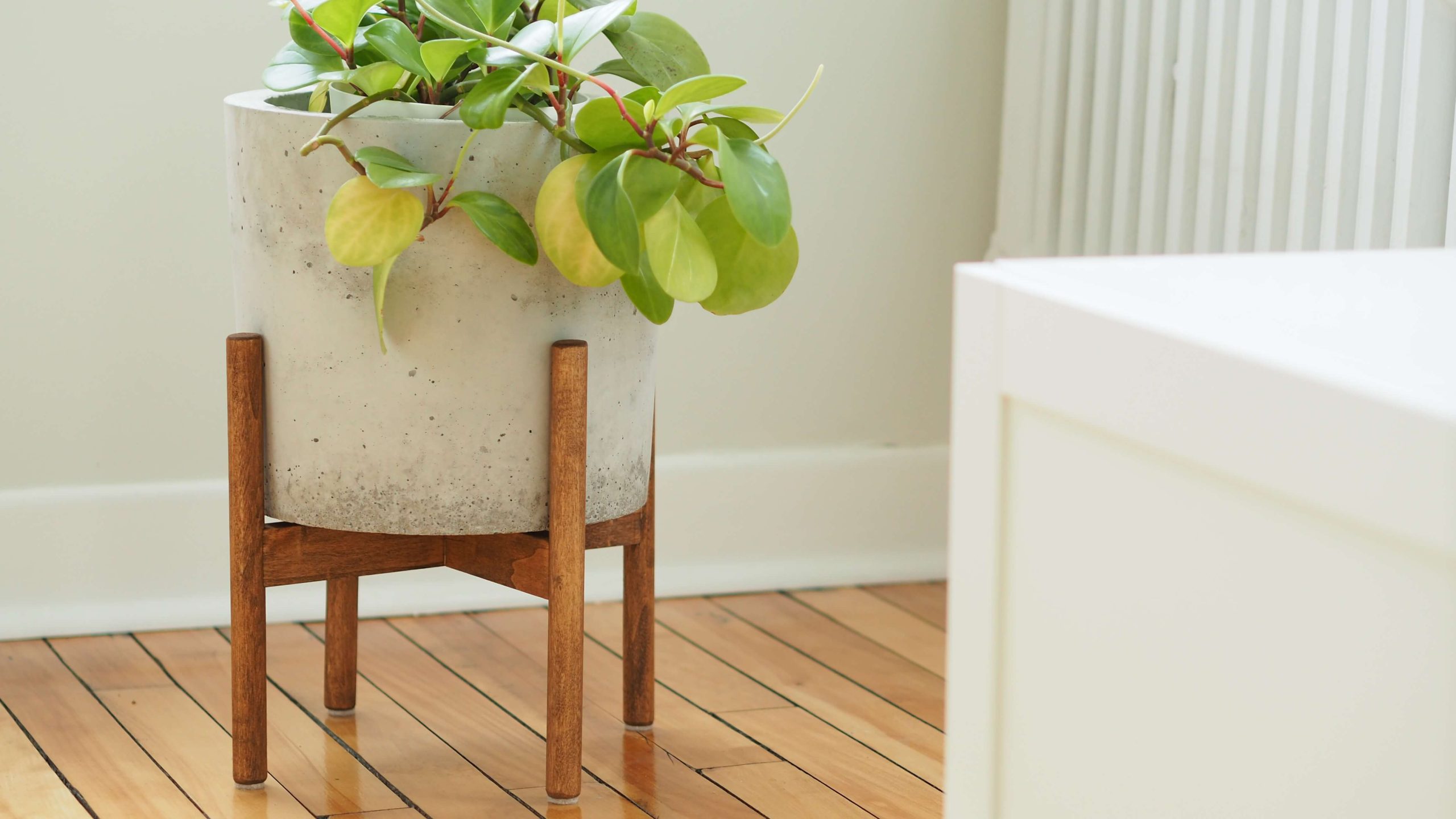
credit : Instructables
- 🛠 Skill Level: Beginner
- ⏱ Time: 3–4 hours
- 🔧 Tools: Saw, drill, sandpaper, clamps
- 💰 Cost: $15–$30
Minimal joinery, maximum visual impact. A wooden plant stand looks like something out of a design magazine but costs almost nothing to build. This one works great for both total beginners and those with a little DIY experience looking for a quick, satisfying project.
💡 Pro Tip: Seal with an outdoor finish if you’re placing it near plants — moisture is the enemy of bare wood.
5. Entryway Key Holder
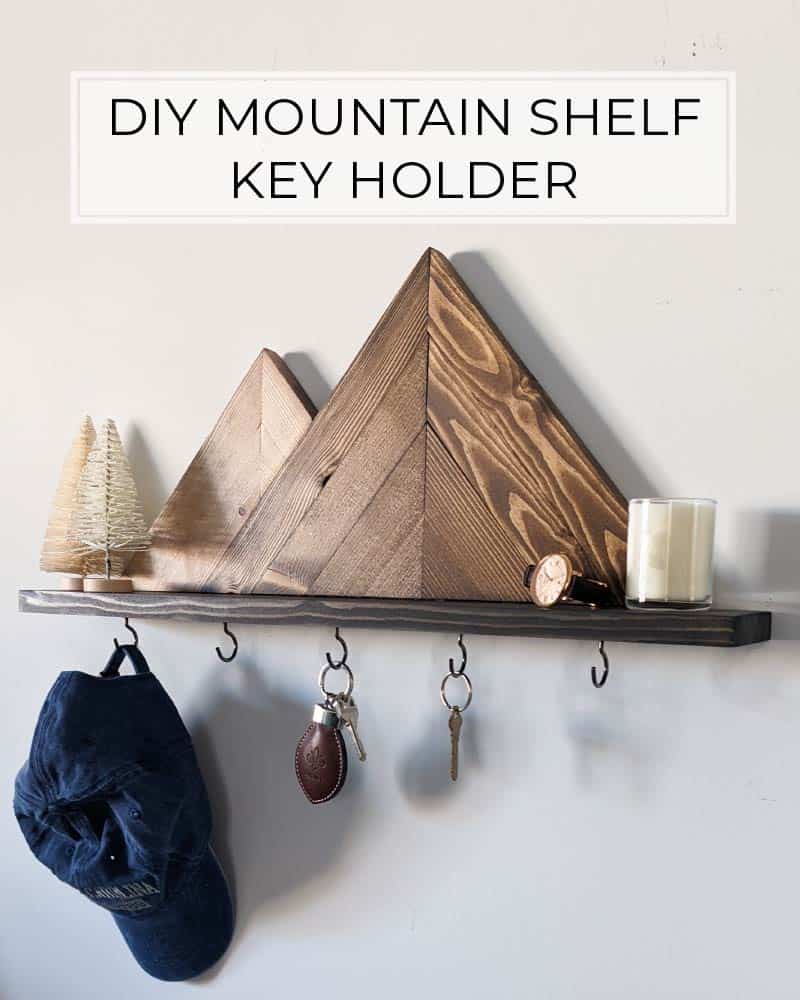
Credit : Pine and Poplar
- 🛠 Skill Level: Beginner
- ⏱ Time: 1–2 hours
- 🔧 Tools: Drill, sandpaper, saw
- 💰 Cost: $10–$15
One small board + a few hooks = a project you’ll actually use every single day. This is a perfect first-morning project — you can realistically finish it before lunch. And if you’re the type who loses their keys constantly, this one’s practically life-changing. :/
💡 Pro Tip: Pre-drill your hook holes to keep the spacing perfectly even — eyeballing it never ends well.
6. Oudoor Storage Box
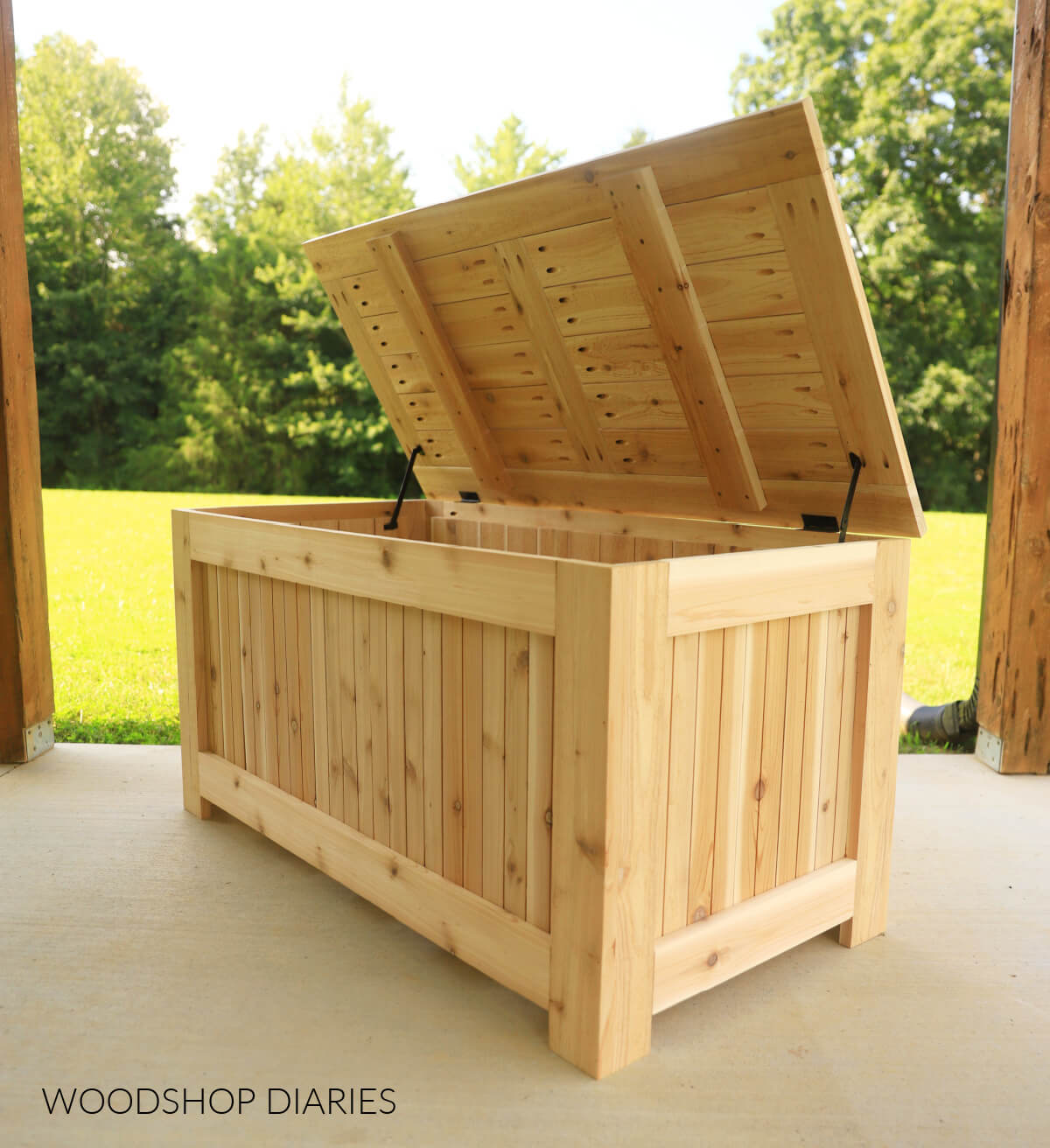
Credit : Wood Shop Diaries
- 🛠 Skill Level: Beginner
- ⏱ Time: 3–4 hours
- 🔧 Tools: Saw, drill, clamps, sandpaper
- 💰 Cost: $15–$25
Simple butt joints make this the ideal project for learning the fundamentals of box-making — a skill you’ll use in dozens of future builds. Start with pine, keep the dimensions small, and don’t overthink it.
💡 Pro Tip: Line the inside with felt for an elevated, finished look that takes about 10 extra minutes.
7. Wooden Step Stool
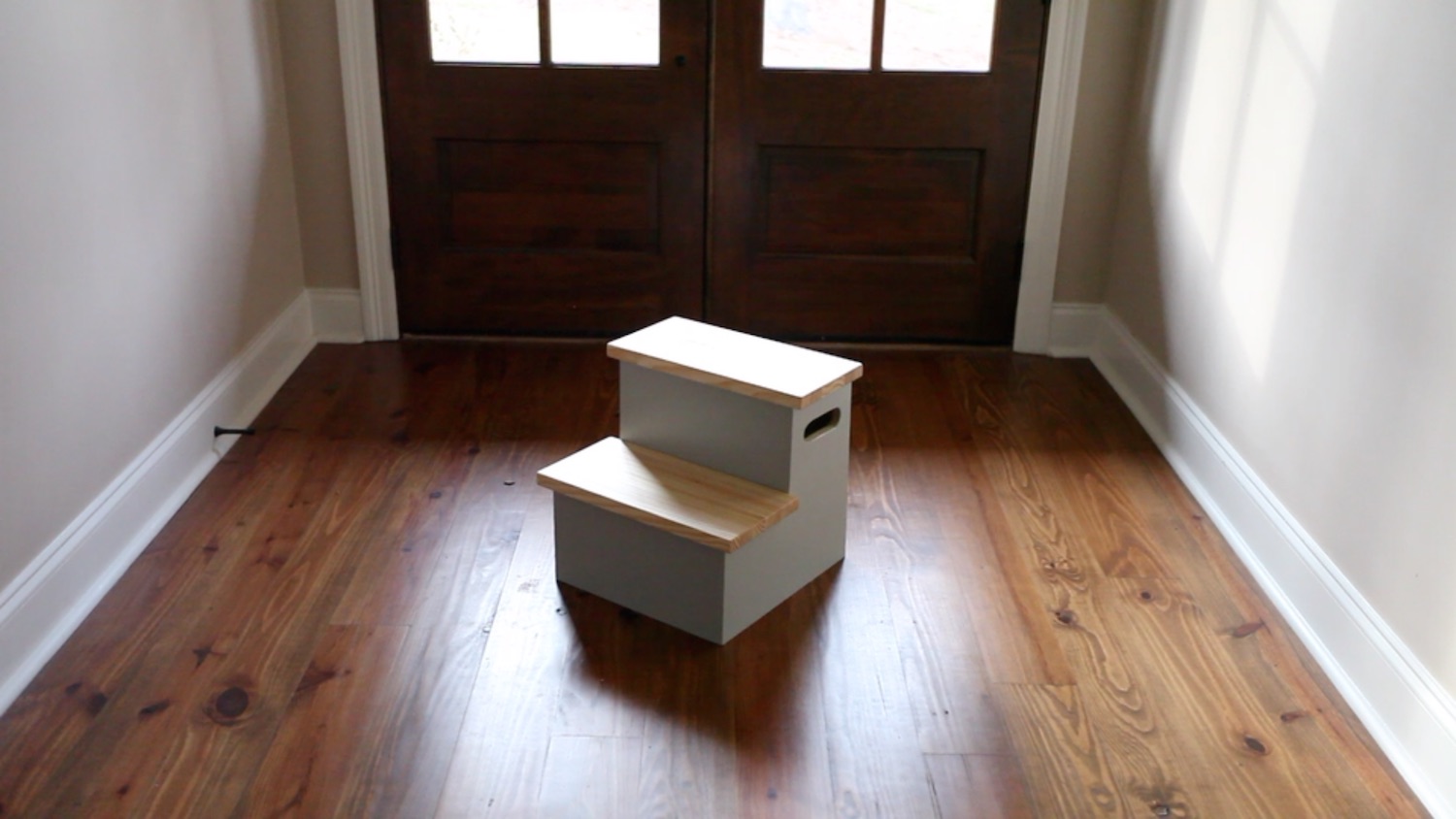
Credit : instructables
- 🛠 Skill Level: Beginner
- ⏱ Time: 3–4 hours
- 🔧 Tools: Saw, drill, sandpaper, clamps
- 💰 Cost: $20–$35
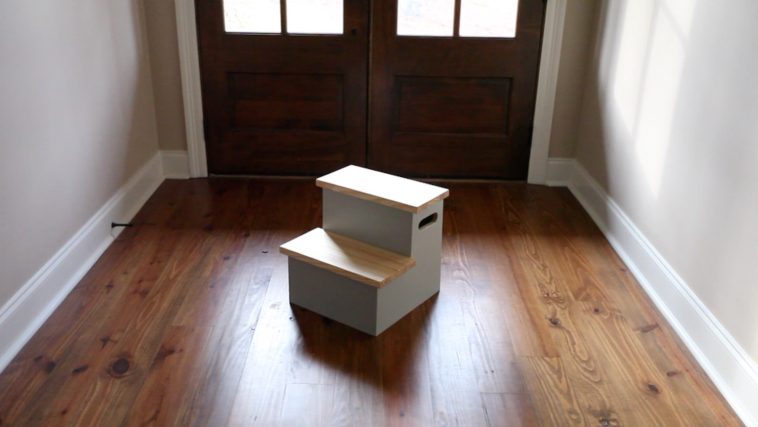
A step stool is one of those projects that sounds boring until you realize you use one every single week. Build it, stain it, and it becomes a charming little piece of furniture rather than a plastic eyesore from a big-box store. This one’s a serious confidence builder.
💡 Pro Tip: Add rubber feet to the bottom — they prevent slipping and protect your floors.
8. Laptop Stand
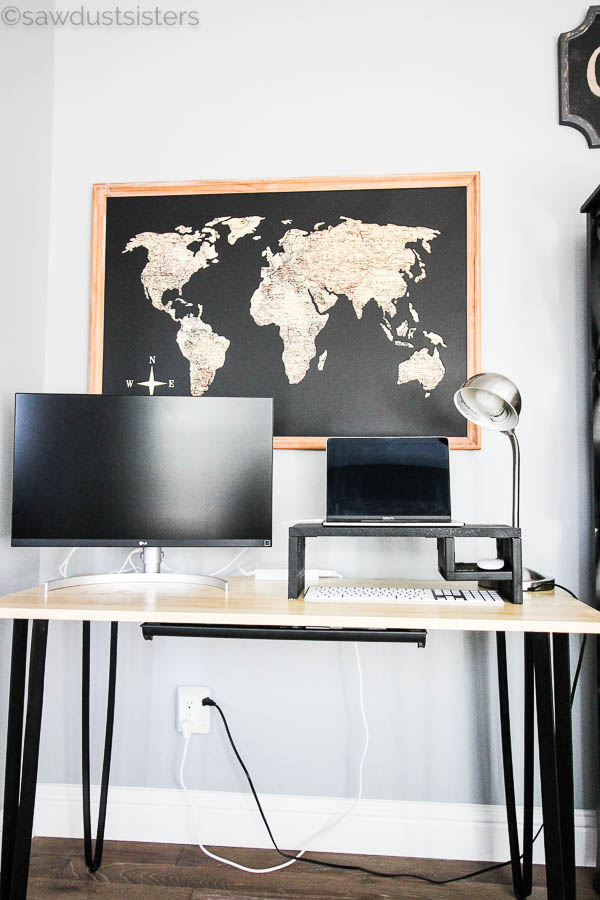
Credit : Saw Dust Sisters
- 🛠 Skill Level: Beginner
- ⏱ Time: 2–3 hours
- 🔧 Tools: Saw, drill, sandpaper
- 💰 Cost: $15–$25
Basic angled cuts, modern result. A wooden laptop stand is the kind of WFH upgrade that makes your desk look intentional rather than accidental. IMO, it’s also one of the most satisfying “wait, I built that?” moments you’ll have as a beginner.
💡 Pro Tip: Sand the top surface extra smooth — you don’t want rough wood scratching the bottom of your laptop.
9. Outdoor Planter Box
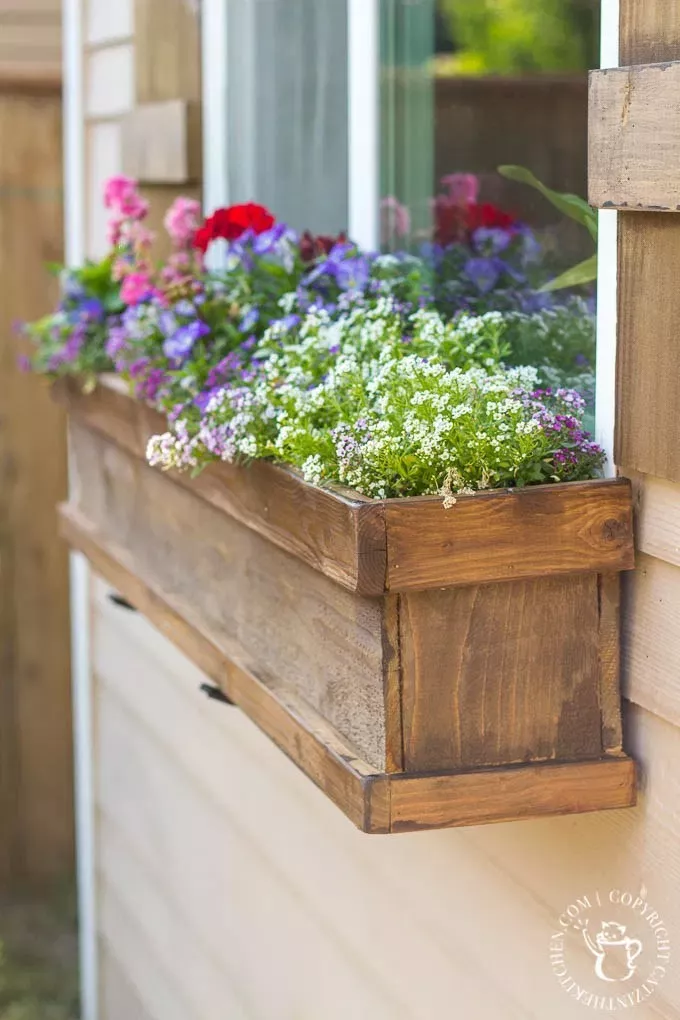
Credit : catz in the kitchen
- 🛠 Skill Level: Beginner
- ⏱ Time: 3–5 hours
- 🔧 Tools: Saw, drill, sandpaper
- 💰 Cost: $20–$40
Straight cuts and screws only — this is as simple as it gets for an outdoor project. A planter box instantly elevates any patio, balcony, or front porch without requiring complex joinery or a big budget. It’s a weekend afternoon well spent.
💡 Pro Tip: Use cedar wood — it’s naturally rot-resistant and will last years longer than pine outdoors. Also, drill drainage holes before assembling.
10. Wooden Bookends
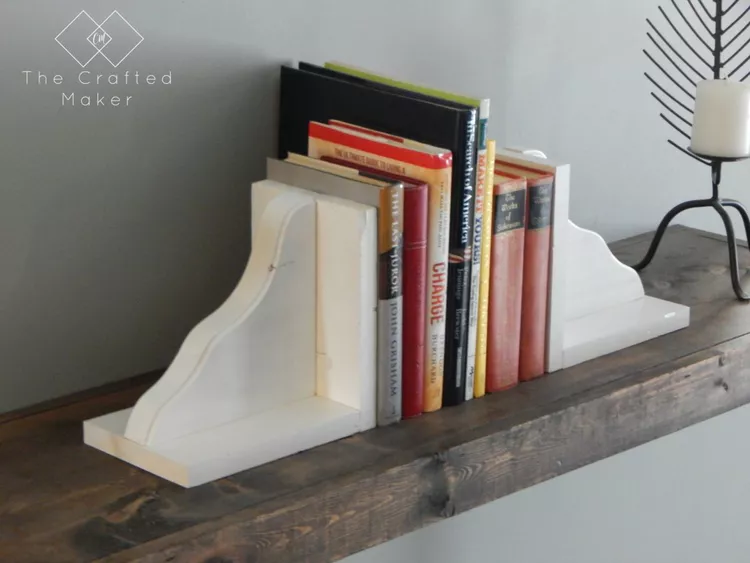
Credit : the crafted maker
- 🛠 Skill Level: Beginner
- ⏱ Time: 2–3 hours
- 🔧 Tools: Jigsaw, drill, sandpaper
- 💰 Cost: $10–$20
Simple shape cutting is a great way to get comfortable with a jigsaw — and bookends are the perfect low-stakes practice project. Cut, sand, stain, and you’ve got a set of custom bookends that look genuinely impressive on any shelf.
💡 Pro Tip: Stick felt pads to the base so they don’t scratch your shelf surface.
11. Coat Rack
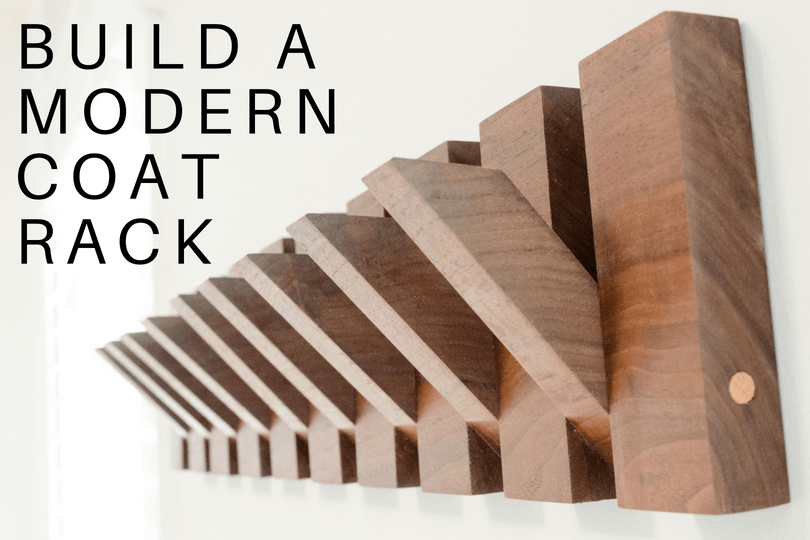
Credit : Instructables
- 🛠 Skill Level: Beginner
- ⏱ Time: 2–3 hours
- 🔧 Tools: Saw, drill, sandpaper, stud finder
- 💰 Cost: $15–$25
A long board plus a few hooks equals a stylish entryway upgrade that replaces whatever sad collection of nails you’ve been using to hang your coats. This is one of those projects where the result looks far more complex than the build actually is.
💡 Pro Tip: Stain the board before attaching the hooks — it’s much cleaner than trying to paint around them afterward.
12. Basic Tool Caddy
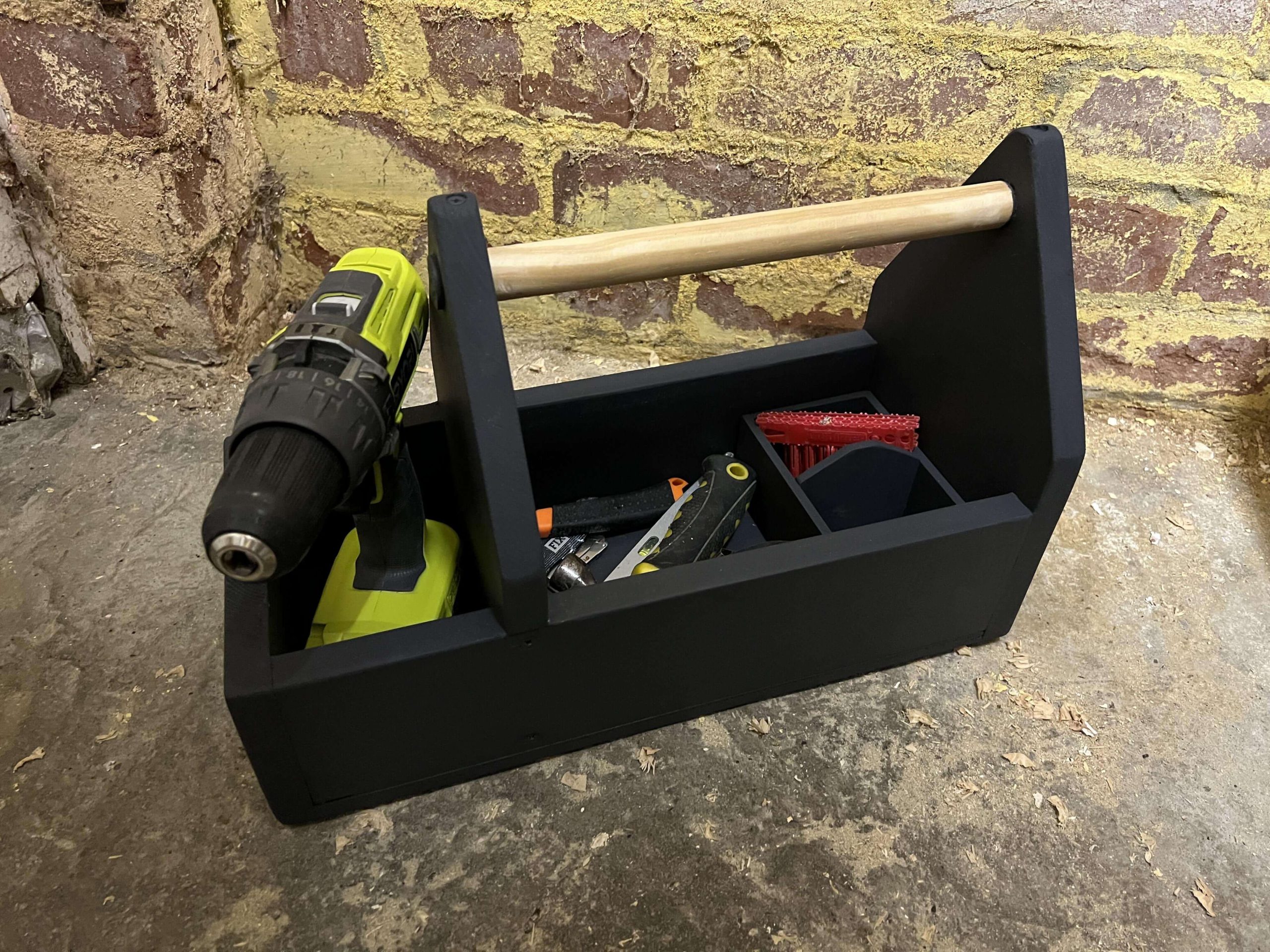
credit : Instructables
- 🛠 Skill Level: Beginner
- ⏱ Time: 3–4 hours
- 🔧 Tools: Saw, drill, sandpaper
- 💰 Cost: $15–$30
The perfect first workshop project — and one of the most used things in my own workshop, honestly. A tool caddy keeps everything organized, and building it yourself means you can size each compartment exactly to your own tools. Meta? Maybe. Brilliant? Absolutely.
💡 Pro Tip: Customize the compartment sizes based on the specific tools you own — don’t just copy a generic design.
Tips to Actually Finish Your Project in One Weekend
Ever start a project with big energy on Saturday morning and somehow end up with a pile of wood and good intentions by Sunday night? Yeah. Here’s how to avoid that:
- Pre-buy all materials before the weekend starts. A hardware store run on Saturday morning is how projects die.
- Sketch your measurements the night before. Even a rough drawing saves you from a lot of “wait, does this fit?” moments.
- Keep the design simple. Resist every urge to upgrade mid-build. Save the fancy version for project #2.
- Work in stages: cut everything first, then sand, then assemble, then finish. Don’t jump around.
- Don’t wait for perfect conditions. The garage doesn’t need to be perfectly organized. Just start.
Common Mistakes Beginners Make (And How to Avoid Them)
A quick, honest list — because we’ve all made these:
- Rushing measurements. Measure twice, cut once. This advice is ancient because it’s always right.
- Skipping sanding between coats. A rough finish is almost always the result of skipping this step. Take the extra 10 minutes.
- Using the wrong screw length. Too short and it won’t hold. Too long and it blows through the other side. Check the packaging.
- Overcomplicating the design. Your first build should be simple. There’s no shame in starting small — that’s how you get good.
Final Thoughts
These beginner woodworking projects you can build in a weekend are designed to help you start simple, finish fast, and build confidence with every project.
No excuses, no “I’ll start when I have better tools.” Pick one project from this list, grab your wood and drill, and just make something.
The first project is always the hardest — not because it’s technically difficult, but because starting is. Once you finish that first shelf or tray or key holder, you’ll wonder what took you so long. That’s a promise.
Save this post to your Pinterest boards so you can come back to it when you’re ready for your next build. And when you do finish something — share it. The beginner woodworking community is genuinely one of the most encouraging corners of the internet.
Want to keep going? Check out our related guides: 20 Simple Woodworking Projects, 9 Free DIY Woodworking Plans, and Best Scrap Wood Projects for Beginners.
And if you’re ready to move beyond trial-and-error and work from proper, professionally designed plans, Ted’s Woodworking Plans is worth bookmarking. With over 16,000 projects ranging from dead-simple to seriously impressive, it’s the kind of resource that grows with you — whether this is your first shelf or your fiftieth.
Why Not Save This Pin For Later ?